 By Isla Moreau, Style Editor
Reviewed & updated September 2026
Wearing one colour head to toe is the closest thing styling has to a cheat code — it elongates the body, looks intentional, and takes the guesswork out of matching. Monochrome doesn’t mean boring; it means playing with shades and textures of a single hue. Here’s how to do it without looking like a costume.
 What this guide coversCurated by Isla · 9 min read
Why Monochrome Works So Well
The visual logic is simple: when your outfit is one color, the eye travels up and down your silhouette without interruption. That unbroken line creates the appearance of height and elongation, makes the proportions of your outfit read more clearly, and projects a quiet confidence that mixed-color outfits can't quite replicate.
There's also a practical elegance to it — single-color dressing removes one variable from the getting-dressed equation entirely. You never have to wonder if the top and bottom match; they just do.
High-end fashion relies on this constantly. Many of the most memorable runway looks and street style moments are entirely tonal. It's not a trend — it's a permanent styling principle.
The Best Colors for Monochrome Dressing
Some colors lend themselves to monochromatic dressing more naturally than others:
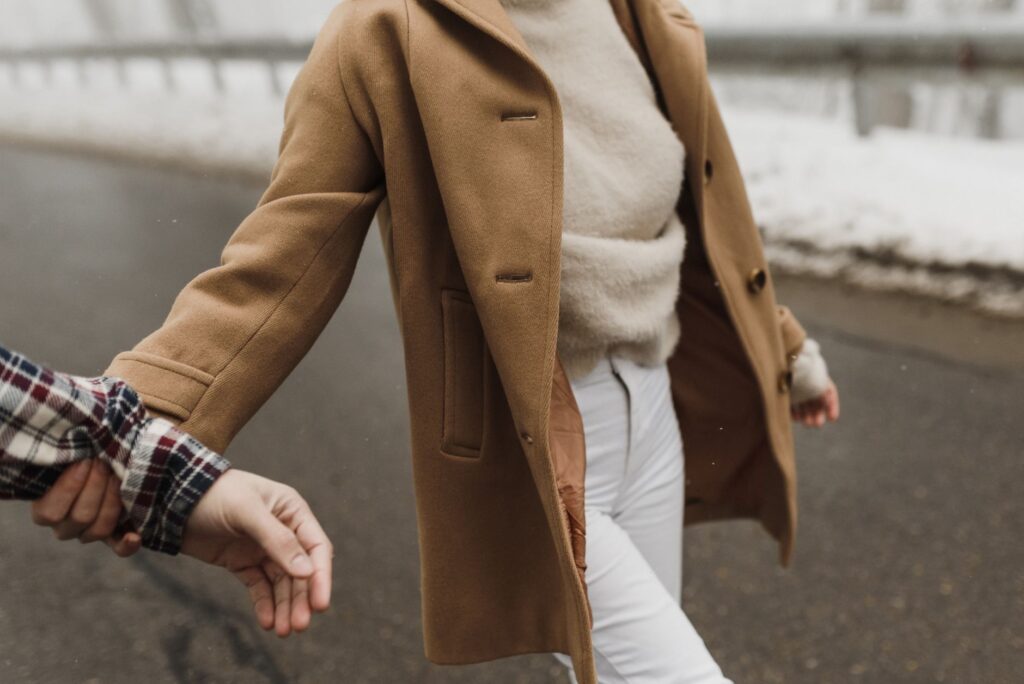
Neutrals (easiest starting point): Camel, cream, beige, tan, and off-white are the most forgiving monochrome palette because the natural variation between fabrics — a cotton blouse versus suede trousers, for example — reads as intentional texture contrast rather than a mismatched beige.
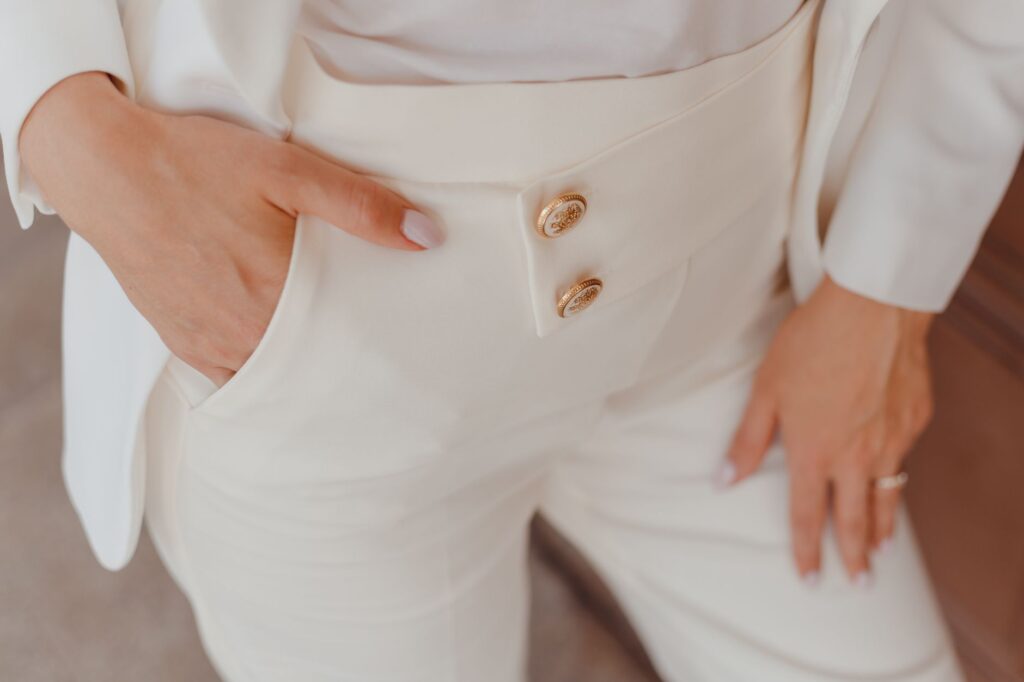
White: An all-white look is crisp, clean, and highly editorial. The key is mixing textures (white denim + white linen top + white leather bag) so it doesn't read as uniform.
Black: The most effortless and versatile monochrome palette. All-black outfits never look off — the variation comes from texture and proportion.
Chocolate and warm brown: One of the most flattering neutral palettes, especially for autumn. Brown works at every price point and photograph beautifully.
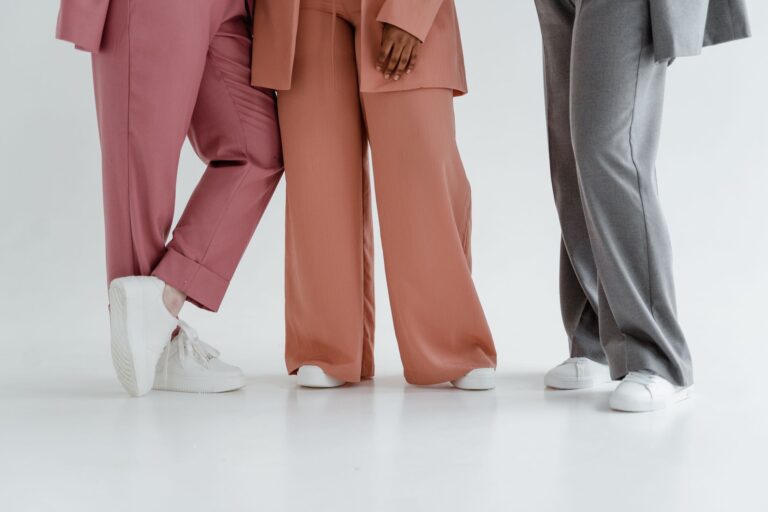
Dusty rose and blush: For a softer take on tonal dressing. Works especially well with satin and knit textures.
Forest green and sage: Rich, elegant, and increasingly popular in both casual and formal contexts.
Navy and midnight blue: A sophisticated alternative to all-black that reads fresh without being bold.
7 Monochrome Outfit Ideas to Try
1. The All-Beige Classic
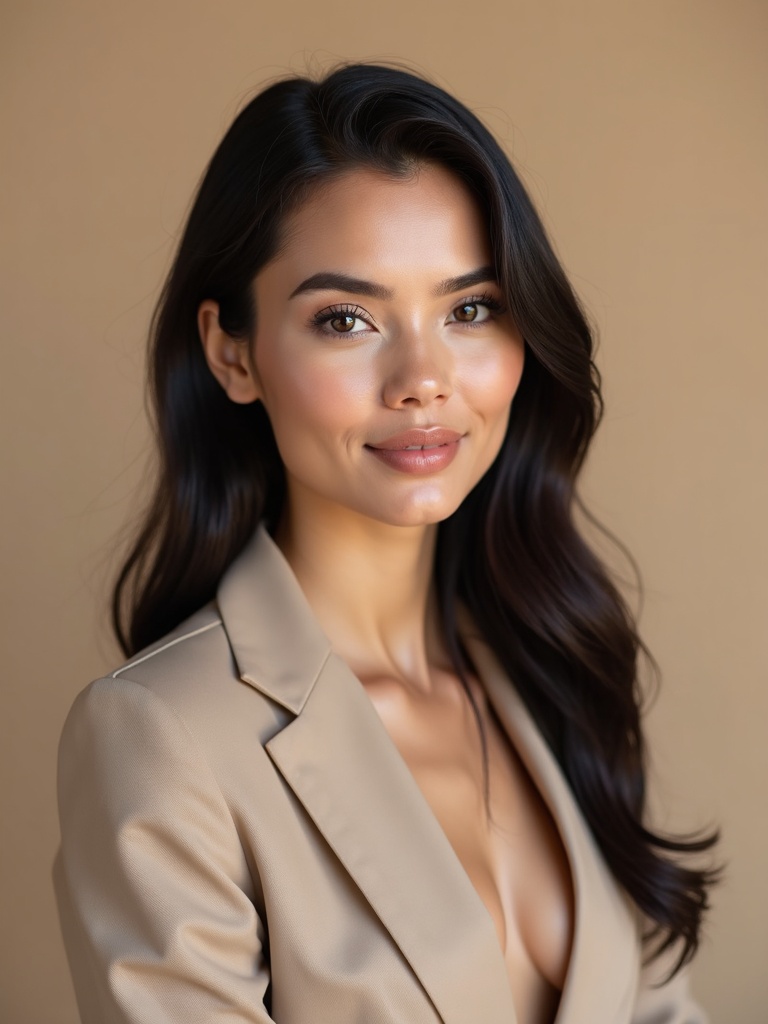
Cream wide-leg trousers + a sand-colored relaxed blazer + camel mules + a tan leather tote. This is the go-to tonal neutral formula for a reason — it works in virtually every setting from brunch to office to gallery. Keep accessories warm-toned (gold hardware, nude or tan shoes).
2. The All-Black Everything
Black slim trousers + black silk or satin blouse + black leather ankle boots + a structured black bag. Play with texture and finish — matte, shine, leather, and jersey don't read the same, which keeps the look visually interesting despite being a single color.
3. Chocolate Brown Layers
Chocolate turtleneck + caramel high-waist trousers or midi skirt + dark brown knee-high boots. This is the combination that will get you the most compliments from people who can't quite articulate why it looks so good. Vary the depth of brown for dimension.
4. Soft White and Ivory
White oversized button-down tucked into white linen wide-leg trousers + white leather sneakers or sandals. In warmer months, this is the closest thing to an effortless "I woke up like this" look. The key is keeping fabrics light and slightly relaxed in silhouette.
5. Forest Green from Head to Toe
Olive green cargo trousers + emerald green fitted knit + sage green shoulder bag + forest green boots or flats. Green tonal looks are having a major moment, and unlike black or neutral, they feel distinctive and color-forward without being bright.
6. Blush and Dusty Rose
Blush pink midi slip dress + dusty rose lightweight cardigan + nude heeled sandals. The slight variation between a dusty rose and true blush in the same outfit creates depth. Great for evening events or occasions where you want to look polished but approachable.
7. Charcoal and Cool Grey
Charcoal high-waist trousers + pale grey fitted turtleneck + charcoal coat + grey-toned sneakers or loafers. Grey tonal looks are underrated — they read sophisticated and modern, and the range from nearly-white to nearly-black gives you a lot of latitude.
The Rules That Make Monochrome Actually Work
Texture is everything. The most important element in a successful monochrome outfit is texture contrast. When every piece is the same color but a different fabric — ribbed knit, smooth silk, rough denim, soft suede — the eye has something interesting to land on even within the single-color scheme. Without texture variation, monochrome risks looking flat or like you're wearing a uniform.
Tonal doesn't mean identical. The most wearable monochrome outfits use a range of shades within one color family — darker at the bottom, lighter on top is a classic formula, or you can flip it. Exact-match "suits" (intentional matching sets) look deliberate and editorial; accidental matchy-matchy (a navy blazer that almost-but-doesn't-match your navy trousers) looks like a mistake.
Break it with a single neutral. If a full-monochrome look feels too intense for you starting out, add one neutral — a white tee under an all-tan look, or nude shoes with an all-black outfit. It's an easy way to ease into the formula without committing completely.
Proportion still matters. Wearing one color doesn't eliminate the need for good proportion. A loose top with very loose trousers still needs the balance of a structured bag or defined waist somewhere. Monochrome amplifies your silhouette — so if your outfit's proportions are off, it'll be visible.
Shoes and bags: match or contrast deliberately. In a tonal outfit, shoes and bags that are the same color family complete the look. If you add a contrasting accessory, make it intentional — a statement metallic shoe against an all-black outfit, or a bright white bag against a chocolate brown look.
What to Wear for Monochrome on Different Occasions
Office / work: All-navy (tailored trousers + blazer + silk blouse) is one of the most authoritative work looks you can put together. All-cream or all-grey works similarly.
Weekend casual: Tonal athleisure (matching earth-tone joggers and zip-up) or all-white linen separates for warmer months feel relaxed but clearly thought-out.
Evening / occasion: An all-black look elevated with texture (velvet + leather + satin) needs very little else to feel evening-ready. A blush silk slip with a dusty rose knit wrap works for dinners and events.
Summer: White and ivory, sage green, or warm tan are the most summer-appropriate monochrome palettes. Linen, cotton, and light knit fabrics keep it seasonally appropriate.
Shopping for Monochrome on a Budget
You don't need a new wardrobe to start dressing in tonal looks — you need to look at what you already own with new eyes.
Go to your closet and pull out everything in one color family at a time. You may have more to work with than you think. Most people have a strong neutral base (lots of black, a few navy pieces, some beige and white) that can be combined into instant monochrome outfits.
When shopping to fill gaps, look for:
- One pair of shoes in each major neutral (black, nude/beige, white, and brown/tan cover almost everything)
- A few quality basics in your strongest neutral — a great camel coat, a good black trouser, a quality cream knit
- Accessories in the same color family (a tan belt, camel bag, and nude sandals all live in the same tonal world)
The Takeaway
Monochrome dressing is one of the most reliably stylish choices you can make — and one of the least complicated once you understand the principles. Start with whatever neutral dominates your wardrobe, focus on layering different textures and varying tones within the same color family, and let the single-color rule do the heavy lifting. You'll look more put-together with less effort, which is exactly what the best style always achieves.
Frequently Asked Questions
Is it hard to pull off a monochrome look?
It's actually easier than mixing colors once you understand the basics. The main thing beginners get wrong is using items that are too close in shade but not exact — creating an "almost matching" effect rather than an intentional tonal gradient. Embrace the variation and it works.
What if I have a warm skin tone — which monochrome colors work best?
Warm skin tones tend to glow in camel, rust, warm browns, olive green, and coral-based blush tones. Cool skin tones do well with navy, slate grey, cool rose, and true black. That said, these are guidelines — the best color for your skin tone is the one that makes you feel most confident.
Can you do monochrome with prints?
Yes — it's called a tonal print combination. Wearing a striped top with similar tones to your solid trousers, or a floral print in beige and cream tones worn with solid beige trousers, still reads as tonal. The principle is the same: keep the overall palette unified.
How do I monochrome in summer without looking overdressed?
Choose lighter, breathable fabrics (linen, cotton voile, lightweight jersey) and pale or earthy tones. An all-white linen outfit or tonal sage green cotton set reads summery and relaxed rather than heavy or formal.
Read next

Related articles
- 25 Fall Outfit Ideas to Copy Now
- 15 Date-Night Outfit Ideas (For Any Plan)
- How to Style a Leather Jacket (5 Outfits That Work)
- What to Wear With Leggings (Beyond the Gym)
- “How to Style Cropped and Capri Pants for Every Occasion”
- How to Style Wide-Leg Trousers (10 Ways)
Further reading & trusted sources
Worth knowing before you buy
The most common mistake in monochrome dressing is wearing pieces that almost match but don’t — two slightly different navies or two different whites look like an accident. Intentional tonal variation (light top, darker bottom) always reads better than forced identical matching.
Isla’s whole styling philosophy fits in one line: buy less, choose well, and make a handful of pieces work hard — chasing every trend is expensive and rarely chic. She curates The Style Edit’s outfit ideas and capsule guides around versatile, lasting pieces instead of fast-fashion churn. Because style is personal, she offers options and how-to-wear-it rather than rigid rules. AI tools assist the research and drafting; a human edits every piece for taste and accuracy, and we never fake a review.