 By Isla Moreau, Style Editor
Reviewed & updated August 2026
The shirt dress is one of those rare pieces that works as hard in an office as it does on a weekend brunch run — collar, buttons, and a defined waist give it just enough structure to read as put-together, while the silhouette stays comfortable enough for an all-day wear. Here are five ways to style it so it never feels like you're wearing the same look twice.
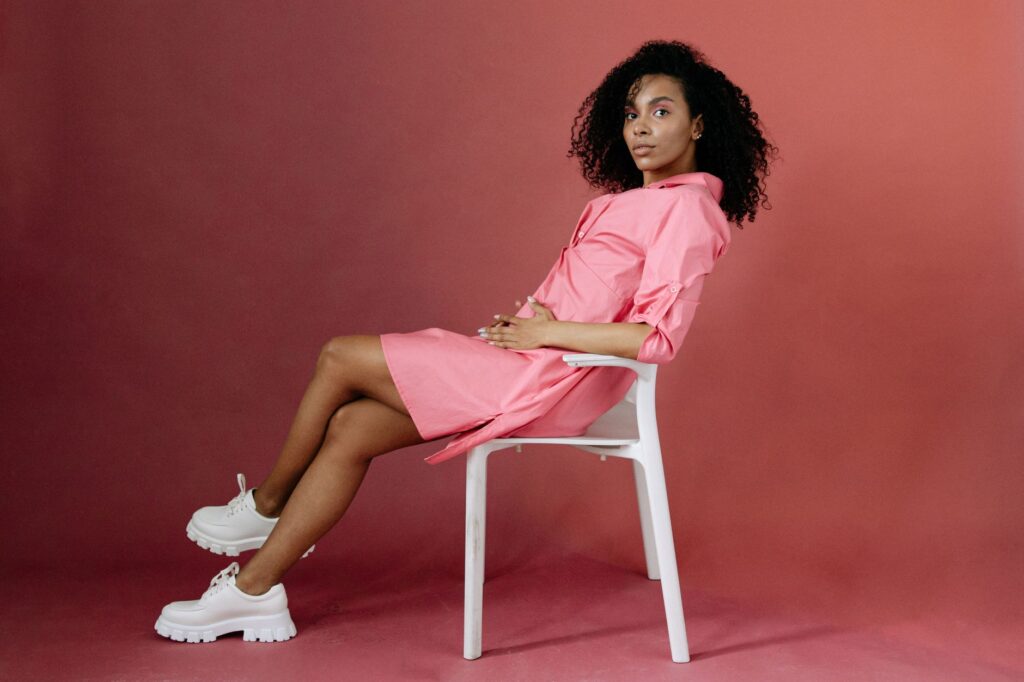 What this guide coversCurated by Isla · 7 min read
- Why the shirt dress works for almost everyone
- 1. Belted and polished for the office
- 2. Layered under a blazer for meetings
- 3. Casual and relaxed with sneakers
- 4. Layered with a denim jacket for transitional weather
- 5. Cinched with a wide belt for evening
- Choosing the right fabric and print
- Common mistakes to avoid
- The takeaway
- Further reading & trusted sources
Why the shirt dress works for almost everyone
A shirt dress borrows its shape from menswear button-downs, which means it tends to skim rather than cling — flattering for a wide range of body types without requiring a specific fit. Because it already reads as "finished" on its own (collar, buttons, sleeves all doing visual work), it's one of the lowest-effort pieces in a wardrobe to make look intentional; add one or two accessories and you're done.
| # | Highlight | Summary |
|---|---|---|
| 1 | Belted and polished for the office | Add a thin leather belt at the natural waist to define your shape, then pair with pointed-toe flats or low block heels and simple |
| 2 | Layered under a blazer for meetings | Throw a fitted blazer over the shirt dress, left open, and add ankle boots or loafers. |
| 3 | Casual and relaxed with sneakers | Skip the belt, roll the sleeves to the elbow, and pair with white sneakers for an effortless weekend look. |
| 4 | Layered with a denim jacket for transitional weather | A cropped denim jacket over a shirt dress is one of the most versatile transitional-season combinations — the jacket adds warmth a |
| 5 | Cinched with a wide belt for evening | Swap the thin belt for a wider statement belt, add heeled sandals or strappy heels, and layer on bolder jewelry than you would for |
1. Belted and polished for the office
Add a thin leather belt at the natural waist to define your shape, then pair with pointed-toe flats or low block heels and simple gold jewelry. Keep the rest of the accessories minimal — a structured tote and small stud earrings — so the belt stays the focal point. This is the easiest way to make a shirt dress read as "business casual" rather than "loungewear."
2. Layered under a blazer for meetings
Throw a fitted blazer over the shirt dress, left open, and add ankle boots or loafers. The blazer adds structure without hiding the dress entirely — leave a couple of buttons undone at the collar so the shirt dress still shows through. This combination works particularly well for a shirt dress that's slightly looser or unbelted, since the blazer does the shaping instead.
3. Casual and relaxed with sneakers
Skip the belt, roll the sleeves to the elbow, and pair with white sneakers for an effortless weekend look. A denim or utility-style shirt dress works especially well here — the relaxed fit and sneakers together read as intentionally casual rather than unfinished. Add a crossbody bag and you have a full outfit in under a minute.
4. Layered with a denim jacket for transitional weather
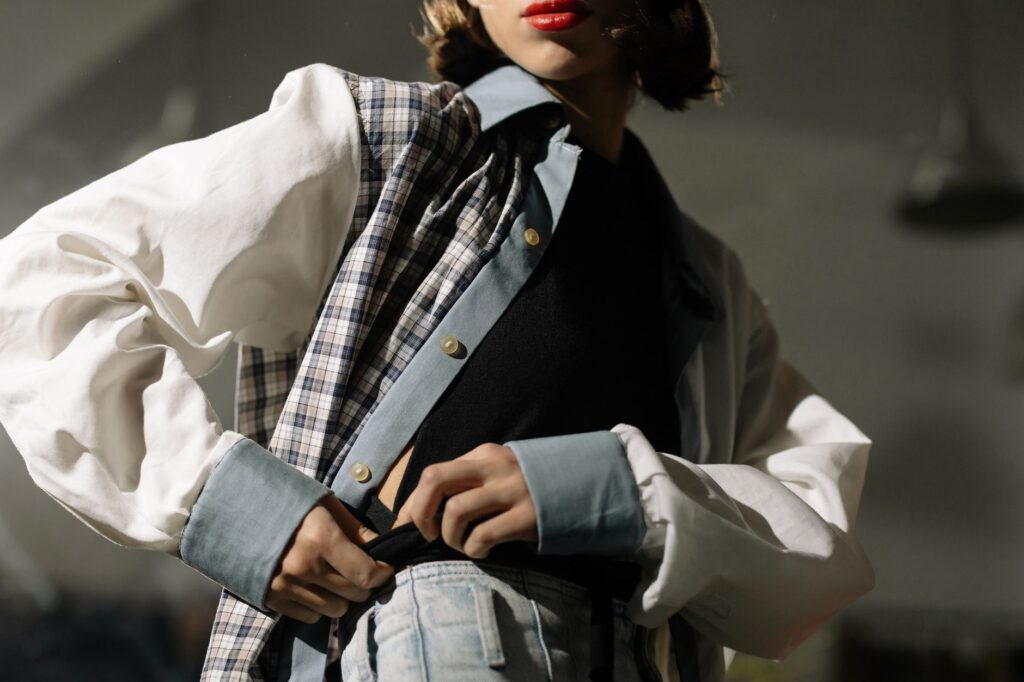
A cropped denim jacket over a shirt dress is one of the most versatile transitional-season combinations — the jacket adds warmth and texture without competing with the dress's own structure. Cinch the dress with a belt underneath if you want more shape, or leave it loose for a more relaxed silhouette; either way, ankle boots finish the look well.
5. Cinched with a wide belt for evening
Swap the thin belt for a wider statement belt, add heeled sandals or strappy heels, and layer on bolder jewelry than you would for daytime. This turns a fairly casual piece into something dressy enough for dinner or a evening event, especially in a solid color or a subtle print rather than a busy pattern.
Choosing the right fabric and print
A shirt dress in a structured cotton or poplin holds its shape best for office or polished looks, while linen or a soft rayon blend drapes more casually and suits warm-weather, off-duty styling. Solid colors and small, subtle prints (fine stripes, small checks) tend to be the most versatile for restyling across these five looks — a very busy or large-scale print will limit how many ways you can dress it up or down.
Common mistakes to avoid
- Leaving it completely shapeless. Even a thin belt makes a noticeable difference in how put-together a shirt dress looks — skipping structure entirely can read as unfinished rather than relaxed.
- Over-accessorizing. Because the dress itself has a lot of visual detail (collar, buttons, often a placket), it usually looks best with fewer, more deliberate accessories rather than a lot of layered jewelry.
- Wrong length for the occasion. A shorter shirt dress skews more casual, while a midi or longer length reads more polished — check the length works for where you're headed before building the rest of the outfit around it.
The takeaway
A shirt dress earns its place as a wardrobe staple because five completely different looks — polished with a belt, layered under a blazer, casual with sneakers, transitional with a denim jacket, or dressed up for evening — all come from the same single piece. Keep a couple of go-to belts and one blazer on hand, and you've covered most situations without needing five different dresses.
Frequently asked questions
Can a shirt dress be worn to the office?
Yes — belted, with flats or low heels and minimal jewelry, a shirt dress is a common business casual choice, and layering a blazer over it makes it even more office-appropriate.
What shoes go best with a shirt dress?
It depends on the look: flats or low block heels for polished/office styling, white sneakers for casual, ankle boots for transitional weather, and heeled sandals for evening — the dress adapts to the shoe more than the other way around.
Should I always belt a shirt dress?
Not always — belting adds definition and polish, but an unbelted, relaxed fit works well for casual styling, especially with a looser cut or lighter fabric like linen.
What body types does a shirt dress flatter?
Because it skims rather than clings and the collar draws the eye upward, a shirt dress tends to flatter a wide range of body types; adjusting belt placement and dress length lets you customize the shape further to your preference.
Read next

Further reading & trusted sources
A small change with a big payoff
A shirt dress with even one button left undone at the collar drapes noticeably differently than one buttoned to the top, since that top button is what’s actually holding the fabric flat across the chest — leaving it open is why the same dress can look relaxed one day and buttoned-up formal the next without changing anything else. Rolling the sleeves to the elbow rather than the wrist does more to make a shirt dress read as casual than swapping the shoes does, since the rolled cuff is closer to eye level and registers as a styling choice faster than footwear does.
Isla’s whole styling philosophy fits in one line: buy less, choose well, and make a handful of pieces work hard — chasing every trend is expensive and rarely chic. She curates The Style Edit’s outfit ideas and capsule guides around versatile, lasting pieces instead of fast-fashion churn. Because style is personal, she offers options and how-to-wear-it rather than rigid rules. AI tools assist the research and drafting; a human edits every piece for taste and accuracy, and we never fake a review.