 By Isla Moreau, Style Editor
Reviewed & updated September 2026
The midi dress sits in a sweet spot most other dress lengths can't touch — dressy enough for an occasion, casual enough for a Tuesday, and flattering on far more body types than a strict mini or maxi. The catch is that its versatility only shows up once you know how to style it for different settings, which is exactly what trips people up.
 On this pageCurated by Isla · 7 min read
- Why the midi dress works so well
- Look 1: Casual daytime with sneakers
- Look 2: Elevated with heels and a blazer
- Look 3: Layered for cooler weather
- Look 4: Belted for definition
- Look 5: Dressed up for evening
- Choosing the right midi length for your height
- Choosing shoes that actually work with the length
- Building it into a smaller wardrobe
- The takeaway
- Further reading & trusted sources
Why the midi dress works so well
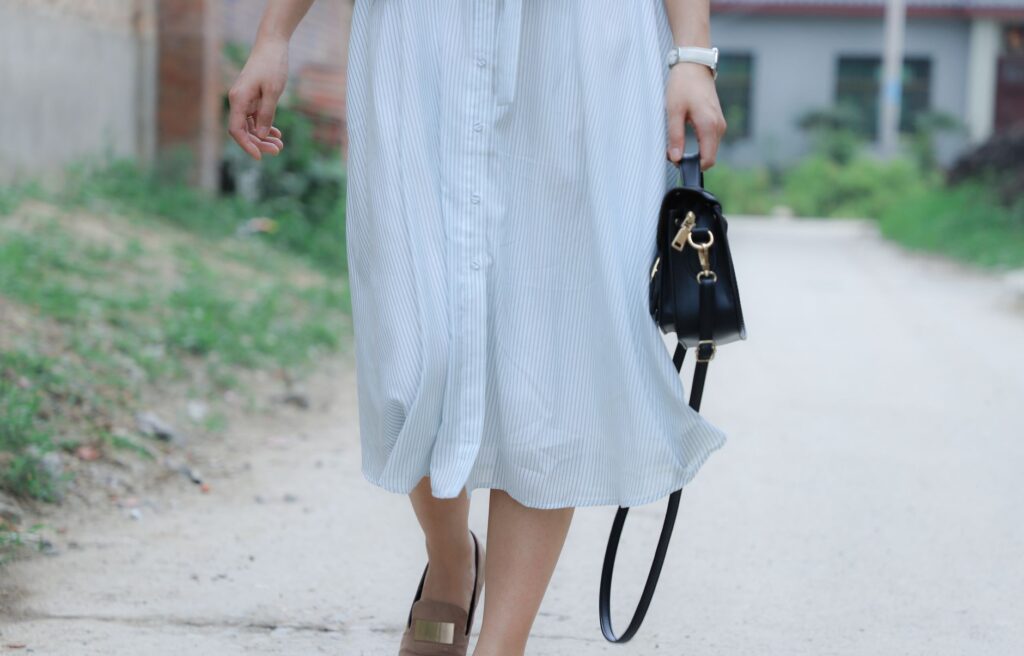
A midi dress typically falls somewhere between mid-calf and just below the knee, which puts it in a length that elongates the leg without the formality of a full-length gown or the exposure of a mini. That in-between length is precisely why it reads as effortlessly put-together — it does a lot of the styling work for you before you've even picked accessories.
Look 1: Casual daytime with sneakers
Pair a fitted or slightly relaxed midi dress with clean white sneakers and a denim or utility jacket layered on top. This combination has become a genuine wardrobe staple because it takes a dress — often perceived as "dressed up" — and grounds it firmly in everyday, run-errands territory. A crossbody bag keeps your hands free and finishes the look without overcomplicating it.
Look 2: Elevated with heels and a blazer
Add a structured blazer over the dress and swap sneakers for pointed-toe heels or block heels to shift the same dress into work-appropriate or dinner-appropriate territory. The blazer adds a sharp shoulder line that balances the softer drape of most midi dress fabrics, and it's an easy way to make one dress serve two very different occasions.
Look 3: Layered for cooler weather
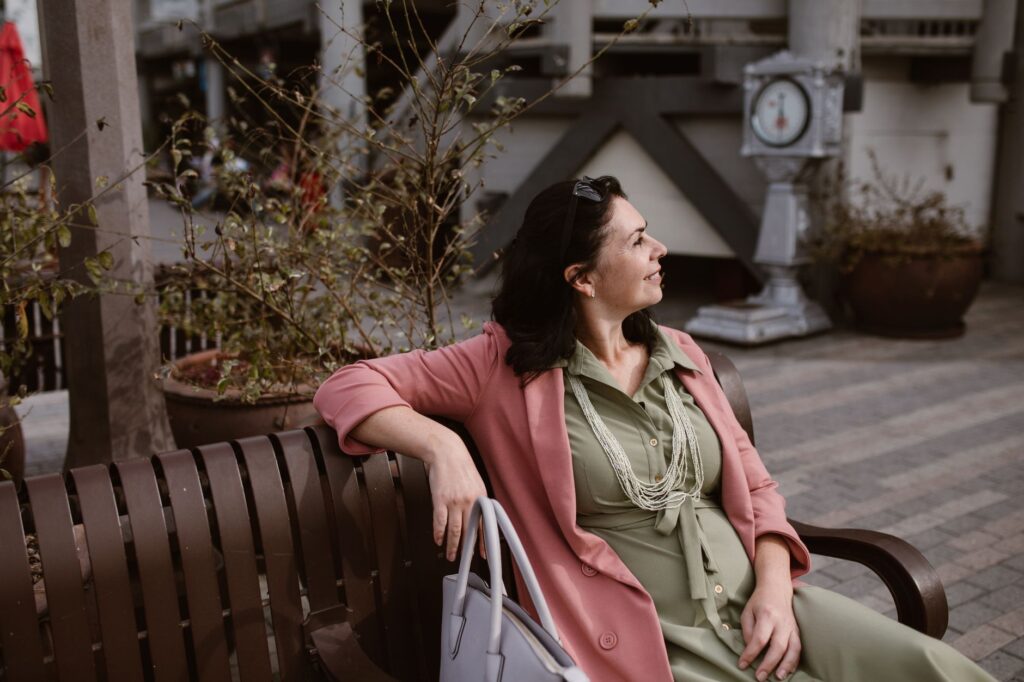
Midi dresses aren't just a warm-weather piece. Layer a fitted turtleneck or long-sleeve top underneath (choose a dress with some room in the bodice, or one with a slightly looser cut) and add tall boots and a longline coat on top. This turns a dress you might associate only with spring or summer into a genuinely useful cold-weather layering piece.
Look 4: Belted for definition
If your midi dress has a looser, shift-style silhouette, adding a belt at the natural waist instantly creates shape and structure. This is one of the simplest styling moves available — the dress itself doesn't change, but a belt transforms a relaxed silhouette into something more tailored in about ten seconds. Try a thin belt for a subtle effect or a wider statement belt to make it a focal point.
Look 5: Dressed up for evening
For evening occasions, swap in strappy heeled sandals, add statement earrings, and consider a small clutch instead of a crossbody bag. A midi dress in a slightly dressier fabric (satin, silk-blend, or a fine knit with drape) makes this transition even easier — the same silhouette that worked for a daytime look can carry an evening event with just an accessory swap.
Choosing the right midi length for your height
If you're on the shorter side, a midi dress that hits closer to the knee (rather than mid-calf) tends to avoid visually shortening the leg line. Taller frames generally have more flexibility with longer midi lengths since there's already more leg length to work with. Neither rule is absolute — fit and where the dress narrows or flares matter as much as the exact hemline.
Choosing shoes that actually work with the length
Because a midi dress covers more leg than a mini, the shoe choice has an outsized effect on the overall proportion. Pointed-toe flats or heels tend to elongate the leg line better than round-toe shoes with a midi length, since the pointed silhouette continues the vertical line the dress hem creates. That said, round-toe styles and sneakers absolutely work for the more casual looks above — this is a proportion tip, not a hard rule.
[TAKE] A detail that changes how a midi dress photographs and moves: fabric weight matters more for this length than almost any other dress silhouette. A stiff or heavy fabric in a midi length can look boxy and add visual bulk, while a dress with some drape or a slight bias cut skims the body and moves naturally when you walk — worth checking in person or reading fabric composition before buying a midi dress online.
Building it into a smaller wardrobe
One versatile midi dress in a neutral color (black, navy, or a warm neutral like camel) can realistically cover five different occasions with nothing more than an accessory or layering swap, which makes it one of the higher-value pieces you can own relative to cost per wear. If you're building out a capsule wardrobe, a midi dress is worth prioritizing over multiple single-occasion pieces.
The takeaway
The midi dress earns its reputation as a wardrobe workhorse because the same base piece can go casual with sneakers, polished with a blazer, warm with layering, structured with a belt, or elevated for evening — all without buying a second dress. Start with one versatile neutral midi and build your styling range from there before adding more prints or colors.
Frequently asked questions
What body type does a midi dress suit best?
Midi dresses genuinely flatter most body types because the length itself does the elongating work — the more important fit factor is choosing a silhouette (fitted, A-line, wrap, shift) that matches how you like clothing to sit on your specific shape.
Can I wear a midi dress in winter?
Yes — layer tights or leggings underneath, add a long-sleeve top or turtleneck under the dress if the cut allows, and finish with boots and a warm coat. Midi dresses work year-round with the right layering.
What shoes are most versatile with a midi dress?
A pointed-toe flat or low block heel in a neutral color pairs well with the widest range of midi dress styles, working for both casual and slightly dressed-up occasions without a shoe change.
How do I keep a midi dress from looking shapeless?
A belt at the natural waist is the fastest fix for a boxy or shift-style midi dress. If the dress already has a defined waist, focus instead on proportion — pairing it with a fitted jacket or structured bag keeps the overall silhouette from reading as too loose.
Read next

Further reading & trusted sources
The styling detail most people miss
Fabric weight changes how a midi dress reads more than the cut or print does — a stiff, heavy fabric at this length tends to look boxy and add visual bulk, while a fabric with some drape or a slight bias cut skims the body and moves naturally when walking. That’s easy to check on a hanger before buying but nearly impossible to judge from a flat product photo, which is why so many online midi dress purchases disappoint on fit alone.
Isla’s whole styling philosophy fits in one line: buy less, choose well, and make a handful of pieces work hard — chasing every trend is expensive and rarely chic. She curates The Style Edit’s outfit ideas and capsule guides around versatile, lasting pieces instead of fast-fashion churn. Because style is personal, she offers options and how-to-wear-it rather than rigid rules. AI tools assist the research and drafting; a human edits every piece for taste and accuracy, and we never fake a review.