 By Isla Moreau, Style Editor
Reviewed & updated September 2026
What you wear to a job interview does real work before you say a word — it signals professionalism, confidence, and that you understand the role. The goal is to look polished, appropriate for the company, and comfortable enough to focus on the conversation, not on tugging at a too-tight waistband. The single most useful thing I've learned about interview dressing: when you feel comfortable and appropriate, you stop thinking about your clothes entirely, and that's when you come across best. Here's exactly how to dress for an interview, whatever the industry.
 What you’ll find insideCurated by Isla · 5 min read
The golden rule: match (and slightly exceed) the company's dress code
Research how people dress at the company — check their website, LinkedIn, or social photos — then aim one notch more polished than their everyday norm. Overdressing slightly shows you take it seriously; underdressing can read as careless. When you genuinely can't tell, err toward more formal; it's a far safer mistake to make.
By company type
Corporate / formal (finance, law, traditional firms)
- A tailored suit (trousers or skirt) or a sheath dress with a blazer
- Neutral colours — navy, charcoal, black
- Closed-toe heels or polished flats
Business casual (most offices)
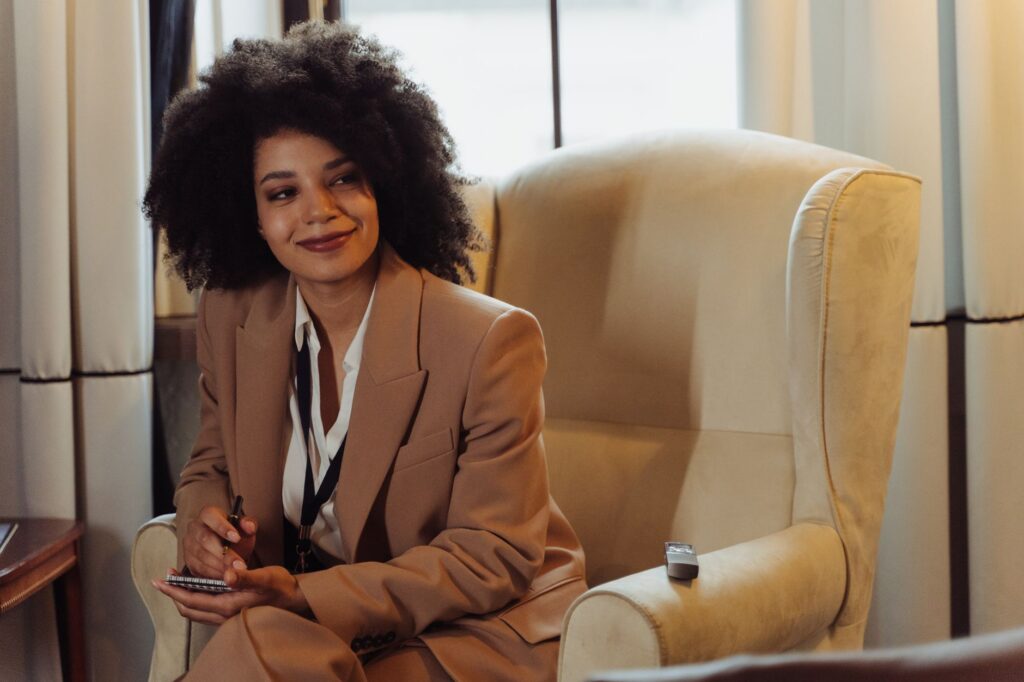
- Tailored trousers + a blouse or fine knit + a blazer
- A shirt dress or sheath dress with low heels or loafers
- Polished but not stiff
Creative / casual (startups, tech, design)
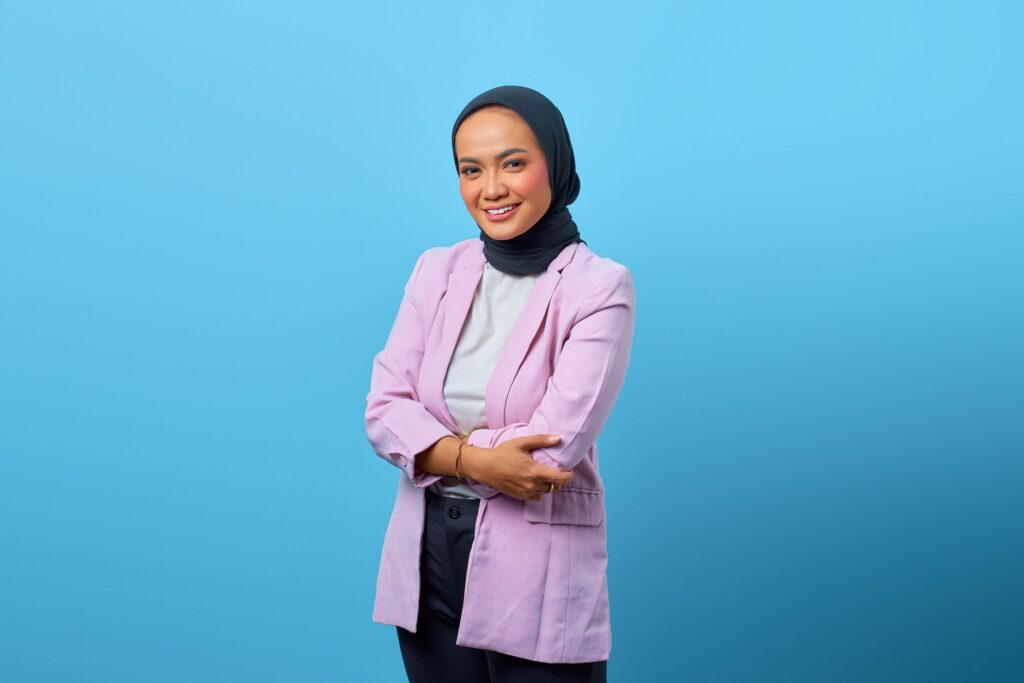
- Smart separates with personality — a blazer over a nice top, tailored trousers or dark jeans (if clearly accepted)
- Clean, intentional, and neat — still elevated
What to avoid
Skip anything distracting or too casual: heavy perfume, noisy jewellery, very high or hard-to-walk-in heels, wrinkled or ill-fitting clothes, flip-flops, gymwear, and overly revealing pieces. You want them remembering you, not your outfit.
The details that matter
- Fit and condition — pressed, clean, well-fitting clothes read professional.
- Comfort — you'll think more clearly if you're not adjusting your outfit.
- Grooming — neat hair and minimal, polished makeup.
- A tidy bag — a structured tote or bag to hold a copy of your résumé.
- Plan it the night before — try the whole outfit on so there are no surprises.
The confidence factor (why "appropriate" beats "fashionable")
Here's the part that's easy to forget under interview nerves: the best interview outfit isn't the most stylish one — it's the one that makes you forget you're wearing it. An outfit you have to manage all day (a skirt you keep smoothing, heels you can't walk in, a neckline you keep adjusting) quietly splits your attention right when you need all of it on the conversation. So choose pieces you've worn before and trust, do a full dress rehearsal the night before including the shoes, and walk around in them. Feeling settled in your clothes translates directly into looking composed and confident — which is what actually lands the impression.
A note
Some links on our site are affiliate links, meaning we may earn a small commission at no extra cost to you — it never changes what we recommend. The best interview outfit is one that fits well, suits the company, and lets you forget about your clothes and focus on the conversation.
Frequently asked questions
What's a safe interview outfit if I'm unsure of the dress code? Tailored trousers (or a skirt) with a blouse and a blazer, in a neutral colour, with polished flats or low heels. It's appropriate almost everywhere.
Can I wear jeans to an interview? Only at very casual or creative companies where you're sure denim is accepted — and then choose dark, clean, well-fitting jeans with a blazer and nice top. When in doubt, go more formal.
What colours are best for an interview? Neutrals like navy, charcoal, grey, and black read professional and confident. Add a subtle colour through a blouse or accessory if you like.
Should I dress up even for a video interview? Yes — dress fully and professionally (at least waist-up in a solid colour with a defined neckline), as it affects both how you come across and how you feel.
How do I feel less nervous about my interview outfit? Wear something you've worn and trust, do a full dress rehearsal the night before, and check you can sit, walk, and move comfortably. Feeling settled in your clothes frees you to focus on the interview itself.
Read next
Related articles
- The Work Capsule Wardrobe (Polished, On Repeat)
- Cute Work-From-Home Outfits (Comfy but Put-Together)
- The Best Tote Bags for Work
- The Best Jeans for Your Body Type
- Comfortable Heels That Don’t Hurt (How to Find Them)
- What to Wear to Work: 20 Outfit Ideas for Every Dress Code
Further reading & trusted sources
What actually makes the difference
Dress one level above the role’s everyday code, in something comfortable enough to forget you’re wearing. Fidget-worthy clothes read as nerves; quiet, well-fitted ones let them focus on you.
Isla’s whole styling philosophy fits in one line: buy less, choose well, and make a handful of pieces work hard — chasing every trend is expensive and rarely chic. She curates The Style Edit’s outfit ideas and capsule guides around versatile, lasting pieces instead of fast-fashion churn. Because style is personal, she offers options and how-to-wear-it rather than rigid rules. AI tools assist the research and drafting; a human edits every piece for taste and accuracy, and we never fake a review.