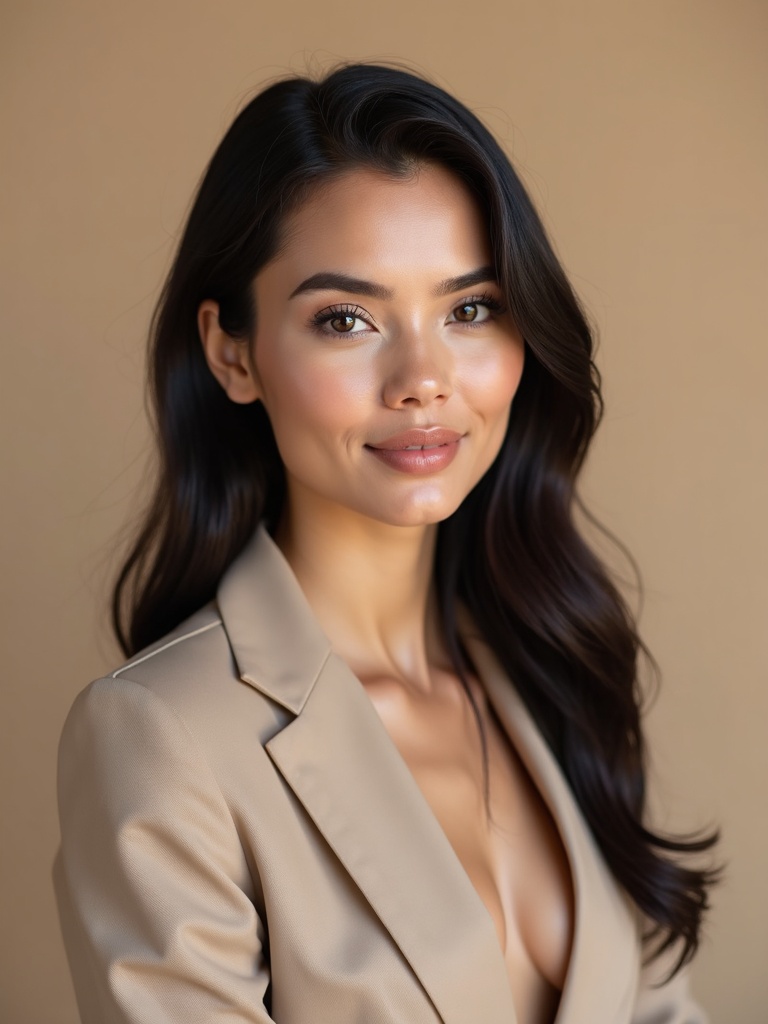
 By Isla Moreau, Style Editor
Reviewed & updated September 2026
The cardigan is one of those pieces that quietly does more work than it gets credit for — it layers over almost anything, softens a formal outfit, and adds polish to a casual one. The trick is knowing which silhouette and styling approach fits which occasion, since a chunky knit and a fitted button-front cardigan are really two different tools. Here are five reliable ways to wear one.
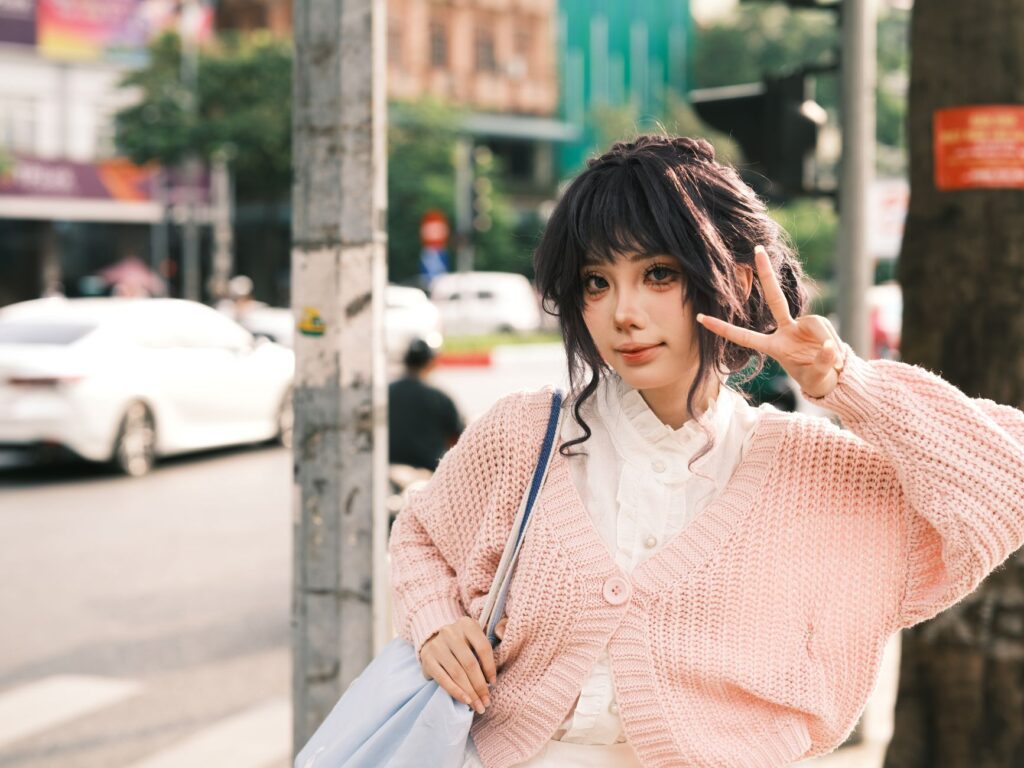
On this pageCurated by Isla · 7 min read- 1. Buttoned over a slip dress or midi dress
- 2. Open, over a simple tee and jeans
- 3. Buttoned as a top, on its own
- 4. Layered under a coat or blazer
- 5. Draped over the shoulders
- Choosing the right cardigan silhouette
- Fabric and color choices that work year-round
- Common mistakes
- The takeaway
- Further reading & trusted sources
| # | Highlight | Summary |
|---|---|---|
| 1 | Buttoned over a slip dress or midi dress | Layering a fitted or slightly oversized cardigan over a slip dress or simple midi is one of the easiest ways to make a summer piec |
| 2 | Open, over a simple tee and jeans | The most everyday version: an open cardigan layered over a plain t-shirt and straight or wide-leg jeans. |
| 3 | Buttoned as a top, on its own | A well-fitted cardigan — one that isn’t boxy or oversized — can be worn buttoned up as a standalone top instead of a layering piec |
| 4 | Layered under a coat or blazer | For colder months, a thinner cardigan works as a mid-layer under a wool coat or oversized blazer, adding warmth without the bulk o |
| 5 | Draped over the shoulders | The most old-money, put-together version: draping a cardigan (or sweater) over the shoulders, tied loosely at the front, over a si |
1. Buttoned over a slip dress or midi dress
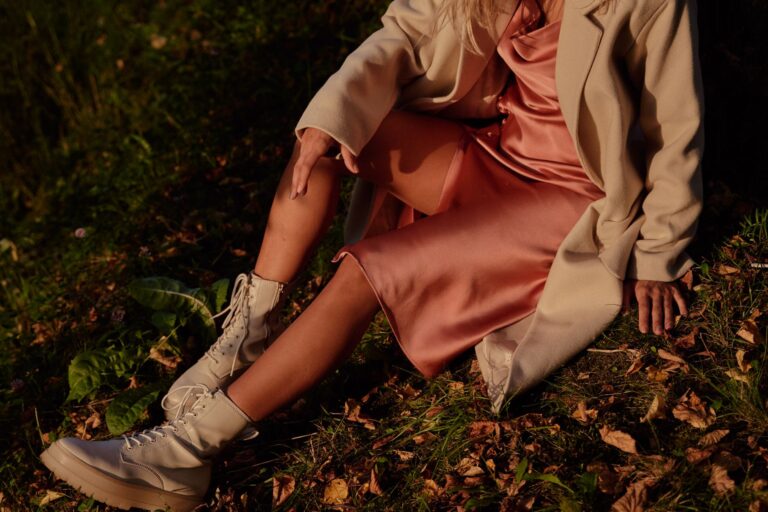
Layering a fitted or slightly oversized cardigan over a slip dress or simple midi is one of the easiest ways to make a summer piece work into cooler months without buying a whole new outfit. Button it fully for a more polished, put-together look, or leave the top button or two undone for something a little more relaxed. This combination works especially well with a thin belt cinched at the waist over the cardigan, which adds shape to an otherwise loose silhouette.
2. Open, over a simple tee and jeans
The most everyday version: an open cardigan layered over a plain t-shirt and straight or wide-leg jeans. This works because the cardigan does the "outfit" work while the base pieces stay minimal — you don't need a statement top underneath when the cardigan itself has texture or color. A slightly longer, oversized cardigan in this combination also does a nice job of elongating the silhouette when the jeans are a slim or straight cut.
3. Buttoned as a top, on its own
A well-fitted cardigan — one that isn't boxy or oversized — can be worn buttoned up as a standalone top instead of a layering piece. This works particularly well with cardigans that have a slightly cropped length or a fitted ribbed knit, paired with high-waisted trousers or a midi skirt. It reads as more elevated than a plain sweater because of the button detail and tends to photograph well for a "your version of quiet luxury" outfit.
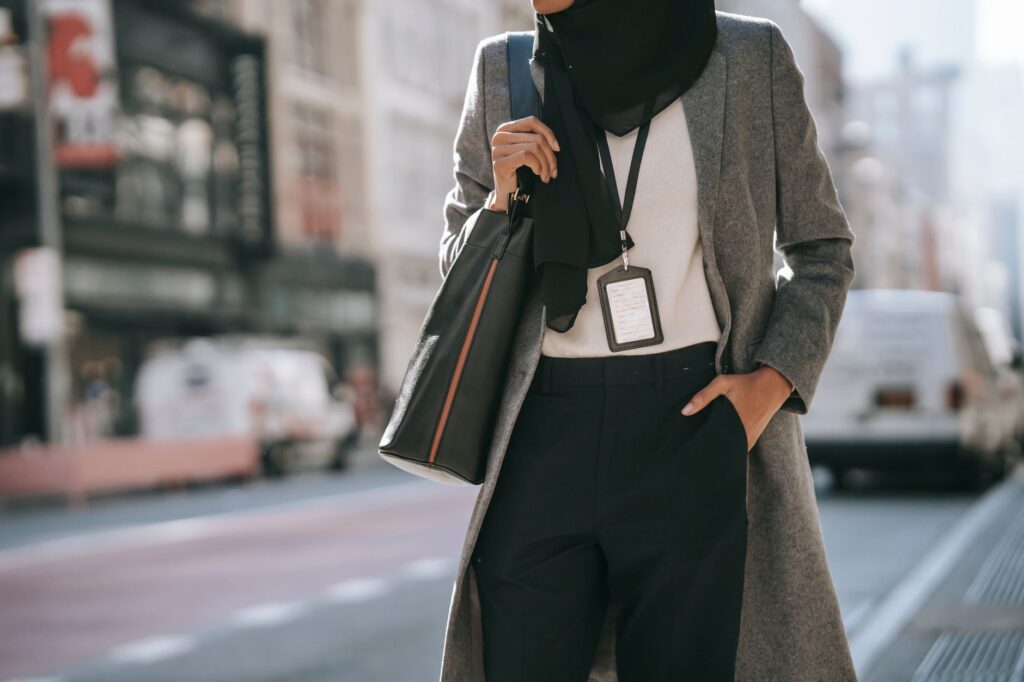
4. Layered under a coat or blazer
For colder months, a thinner cardigan works as a mid-layer under a wool coat or oversized blazer, adding warmth without the bulk of a chunky sweater. This is a practical trick for transitional weather — you get the visual layering of a full winter outfit while staying comfortable indoors, since you can shed the outer coat and still look finished in just the cardigan.
5. Draped over the shoulders
The most old-money, put-together version: draping a cardigan (or sweater) over the shoulders, tied loosely at the front, over a simple top. This works best with a lightweight, non-bulky cardigan so it drapes cleanly rather than adding visible bulk, and pairs well with a simple tank or button-down underneath and tailored trousers or a skirt. It's a look that reads effortless but actually benefits from a slightly fitted cardigan rather than an oversized one, which can look sloppy when draped.
Choosing the right cardigan silhouette
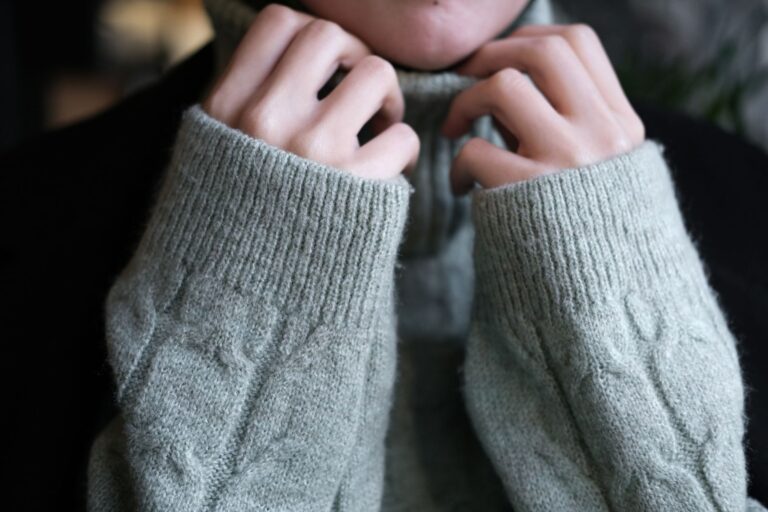
Not every cardigan works for every look above — a chunky cable-knit cardigan is better suited to the open-over-a-tee approach (option 2) than to buttoning as a standalone top (option 3), where a slimmer, more tailored knit reads better. If you're building a small cardigan collection, aim for one oversized/chunky option for casual layering and one fitted, slightly cropped option for the more polished, buttoned-up looks.
Fabric and color choices that work year-round
Lightweight cotton or cotton-blend cardigans transition best between seasons — heavy enough for a cool evening, light enough not to overheat indoors. For color, a neutral (cream, camel, black, or navy) gets the most cost-per-wear since it pairs with nearly everything already in a typical wardrobe, while one or two statement colors (a rich burgundy, forest green, or this season's popular purple) work well for adding interest without needing to rebuild outfits around them.
Common mistakes
- Sizing too large across the board. An oversized cardigan can look intentional, but only if it's oversized on purpose with a fitted base layer underneath — an ill-fitting cardigan that's just too big in the shoulders reads as sloppy, not stylish.
- Buttoning a cardigan that was designed to be worn open. Some cardigans are cut with an open, draped front and don't sit well buttoned — check the shape before assuming it works both ways.
- Skipping a base layer underneath an open cardigan. A cardigan alone, worn open with nothing underneath, often looks unfinished — a simple cami, tee, or button-down underneath completes the look.
- Ignoring proportion. A long cardigan paired with wide-leg pants can look like one shapeless block — balance a longer cardigan with slimmer bottoms, or a cropped cardigan with fuller pants.
The takeaway
A cardigan earns its place in a wardrobe by being genuinely versatile — the same piece can go from a polished buttoned top, to a relaxed layer over jeans, to an old-money shoulder-drape, depending on how you style it. Owning one fitted and one oversized cardigan covers nearly every version of this list without needing to shop for each individual look.
Frequently asked questions
Can a cardigan be worn as a top by itself?
Yes — a fitted or slightly cropped cardigan buttoned up works well as a standalone top, especially with high-waisted bottoms, without needing anything layered underneath.
What's the difference between a cardigan and a sweater for styling purposes?
A cardigan opens at the front (usually with buttons or a zip), which makes it more versatile for layering since it can be worn open, buttoned, or draped — a pullover sweater only offers one silhouette.
Is it okay to wear a cardigan with a dress?
Yes, cardigans layer well over both fitted slip dresses and looser midi dresses — a fitted cardigan tends to look more polished with a slip dress, while an oversized one pairs well with a casual day dress.
What color cardigan is the most versatile?
Neutral tones — cream, camel, black, and navy — pair with the widest range of existing wardrobe pieces and are the easiest starting point if you're building out a small cardigan collection.
Read next
Further reading & trusted sources
The styling detail most people miss
Whether a cardigan was cut to be buttoned closed or worn open is a design decision, not a personal styling choice — some cardigans have a draped, open-front shape that never sits flat when buttoned, so checking how the front panels are cut before buying determines which of these looks are actually available to you. Draping one over the shoulders reads noticeably more polished with a slightly fitted knit than an oversized one, since bulky fabric doesn’t fall cleanly when tied loosely at the front.
Isla’s whole styling philosophy fits in one line: buy less, choose well, and make a handful of pieces work hard — chasing every trend is expensive and rarely chic. She curates The Style Edit’s outfit ideas and capsule guides around versatile, lasting pieces instead of fast-fashion churn. Because style is personal, she offers options and how-to-wear-it rather than rigid rules. AI tools assist the research and drafting; a human edits every piece for taste and accuracy, and we never fake a review.