 By Isla Moreau, Style Editor
Reviewed & updated September 2026
"Business casual" is the most common — and most confusing — dress code out there. It's more relaxed than a suit but more polished than weekend wear, and the exact line shifts from office to office, which is exactly why it trips people up. I've started jobs where business casual meant a blazer every day, and others where it meant clean jeans and a knit, so the first lesson is that the term only half-tells you what to wear. This guide breaks down what business casual actually means, what to wear (and skip), and easy outfit formulas you can rotate without thinking.
 Quick navigationCurated by Isla · 5 min read
What business casual actually means
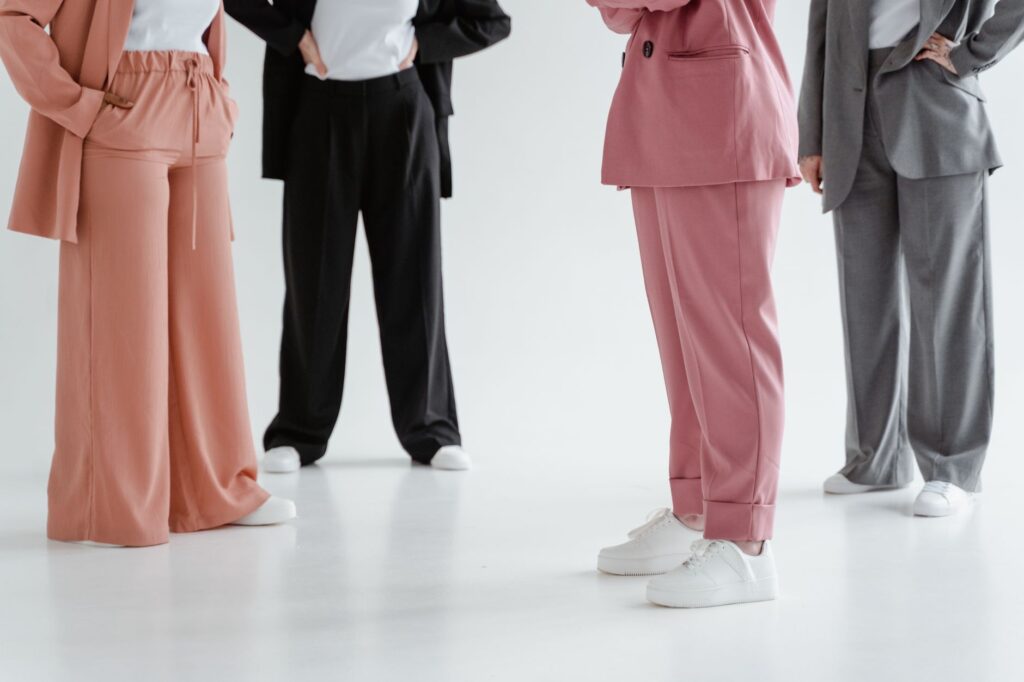
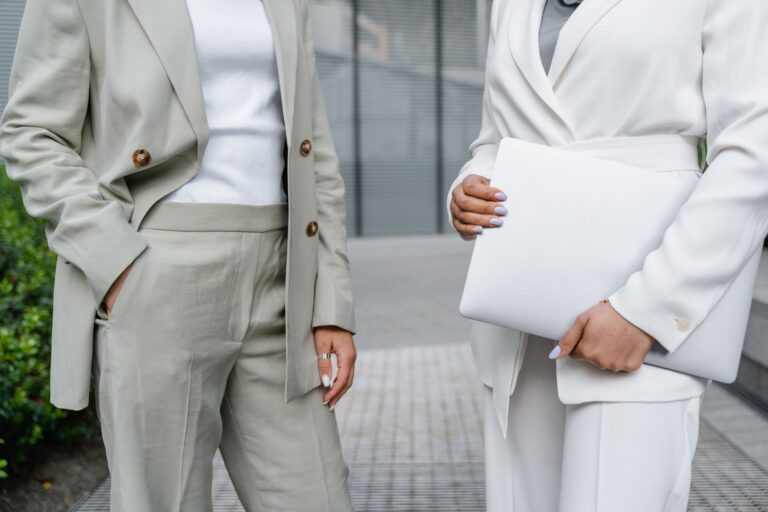
Business casual is professional but approachable — neat, put-together separates without the formality of a full suit. Think tailored trousers and a knit instead of a matching suit and tie. The goal is to look intentional and capable while staying comfortable enough to get through a real workday.
The building blocks
A small set of pieces covers almost every business-casual outfit:
- Tailored trousers (black, navy, or camel) and/or a midi or pencil skirt
- Dark, clean jeans (if your office allows them)
- Button-down shirts, fine knits, and simple blouses
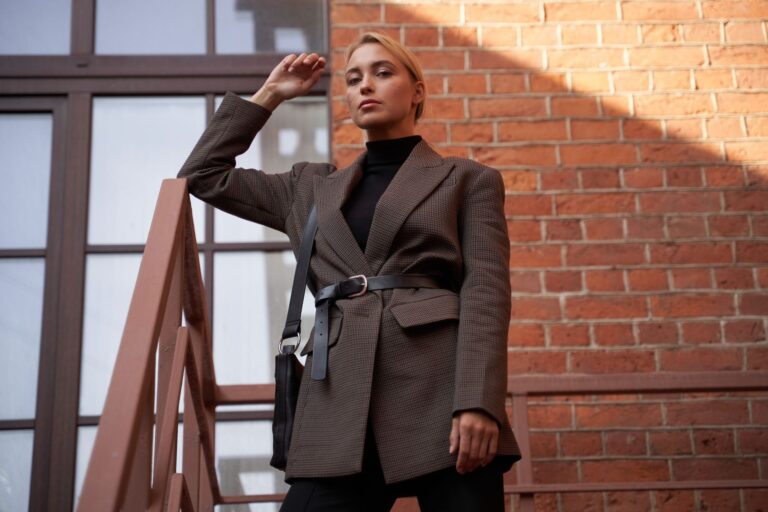
- A blazer or structured cardigan — the fastest way to look pulled-together
- Loafers, pointed flats, ankle boots, or low heels
- A structured bag to finish it
Easy business-casual formulas
- Tailored trousers + tucked knit + loafers
- Midi skirt + fine knit + pointed flats
- Dark jeans + blouse + blazer + ankle boots
- Shirt dress + belt + low heels
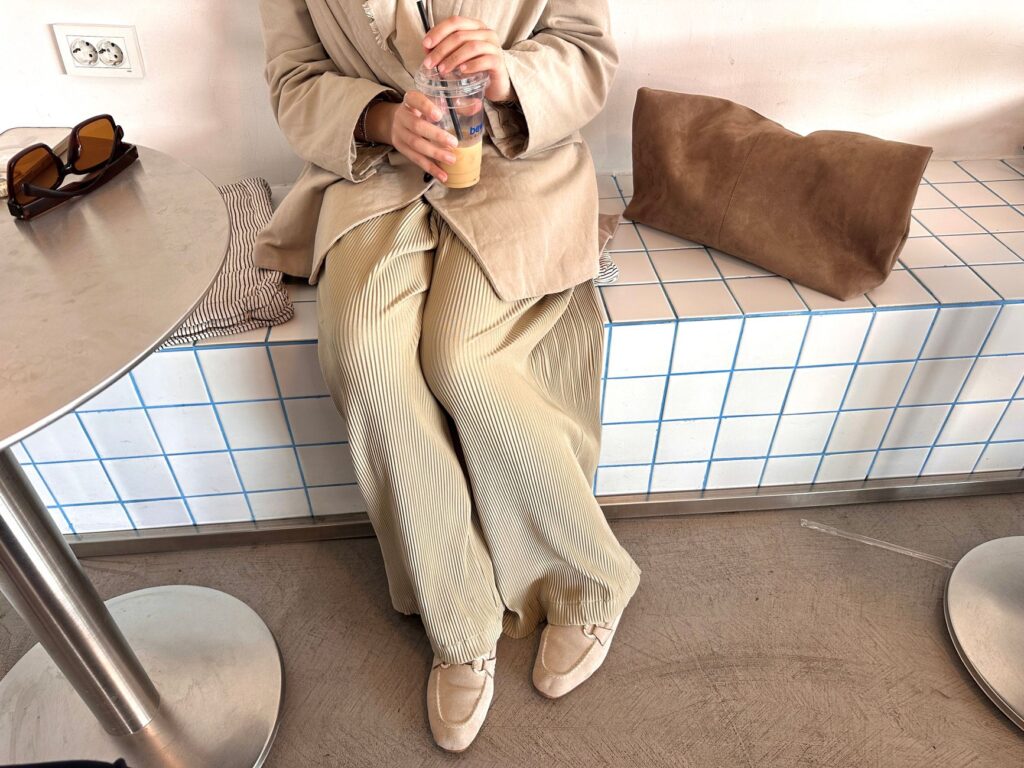
- Wide-leg trousers + tucked button-down + loafers
What to skip
Generally avoid: ripped or heavily distressed denim, graphic tees, flip-flops or sneakers (in stricter offices), gymwear, and anything too revealing or too flashy. When unsure, lean slightly more polished — it's always easier to relax a look than dress it up later.
How to read your specific office (the part that really matters)
Because "business casual" means different things in different places, the single most useful thing you can do is observe before you commit to a wardrobe. In your first week at a new job, dress a notch up — tailored trousers, a blazer, polished shoes — and watch what the people whose work and presence you respect actually wear. Are blazers daily or rare? Do people wear dark jeans? Are sneakers normal or never? Match that level, not the most casual person in the room and not the most formal. Then calibrate. This reading-the-room habit beats any generic rule, because you're dressing for your workplace's real norm rather than a definition that varies everywhere.
Make it effortless with a small work capsule
Because business casual relies on mix-and-match separates, a tight neutral palette means everything works together — get dressed in two minutes. Our guide to building a work capsule makes it simple.
A note
Some links on our site are affiliate links, meaning we may earn a small commission at no extra cost to you — it never changes what we recommend. Fit matters most: well-fitting basics always look more polished than pricey pieces that don't fit.
Frequently asked questions
Are jeans business casual? In many modern offices, dark, clean, well-fitting jeans paired with a blazer or polished top count as business casual — but check your specific workplace, as stricter offices exclude denim.
Can I wear sneakers for business casual? In creative or relaxed offices, clean minimal sneakers can work; in traditional ones, stick to loafers, flats, or low heels.
What's the difference between business casual and smart casual? They overlap a lot. Business casual leans slightly more professional (trousers, blazers), while smart casual allows a bit more personality and relaxed pieces.
What shoes are best for business casual? Loafers, pointed flats, ankle boots, and low-to-mid heels are the most versatile and comfortable for a full workday.
How do I figure out my office's version of business casual? Dress a notch up your first week and observe what respected colleagues actually wear day to day — then match that level. Reading your specific office beats any general rule.
Read next


Related articles
- How to Build a Capsule Wardrobe (Step by Step)
- How to Style a Slip Dress (Day to Night)
- How to Style a Turtleneck (10 Outfit Ideas)
- How to Style a Trench Coat (Casual to Polished)
- How to Nail Quiet Luxury on a Budget
- How to Find Your Color Season (Color Analysis Guide)
Further reading & trusted sources
The styling detail most people miss
Business casual is one notch down from a suit, not jeans-and-a-tee — structured pieces in muted colours. Most people read it too casual, so erring slightly polished is always the safer call.
Isla’s whole styling philosophy fits in one line: buy less, choose well, and make a handful of pieces work hard — chasing every trend is expensive and rarely chic. She curates The Style Edit’s outfit ideas and capsule guides around versatile, lasting pieces instead of fast-fashion churn. Because style is personal, she offers options and how-to-wear-it rather than rigid rules. AI tools assist the research and drafting; a human edits every piece for taste and accuracy, and we never fake a review.