 By Isla Moreau, Style Editor
Reviewed & updated September 2026
Layering is what separates a thrown-together outfit from a thoughtfully styled one — and it's the key to staying comfortable when the weather can't make up its mind. Done well, layers add depth, warmth, and polish. Done badly, they add bulk and that overstuffed, sausage-y feeling we've all had walking into a warm shop in three jumpers. Here's how to layer like a pro, whatever the season.
 On this pageCurated by Isla · 5 min read
The principles of good layering
- Start thin, build out. Begin with a fitted base layer and add looser, heavier pieces on top so nothing bunches or pulls.
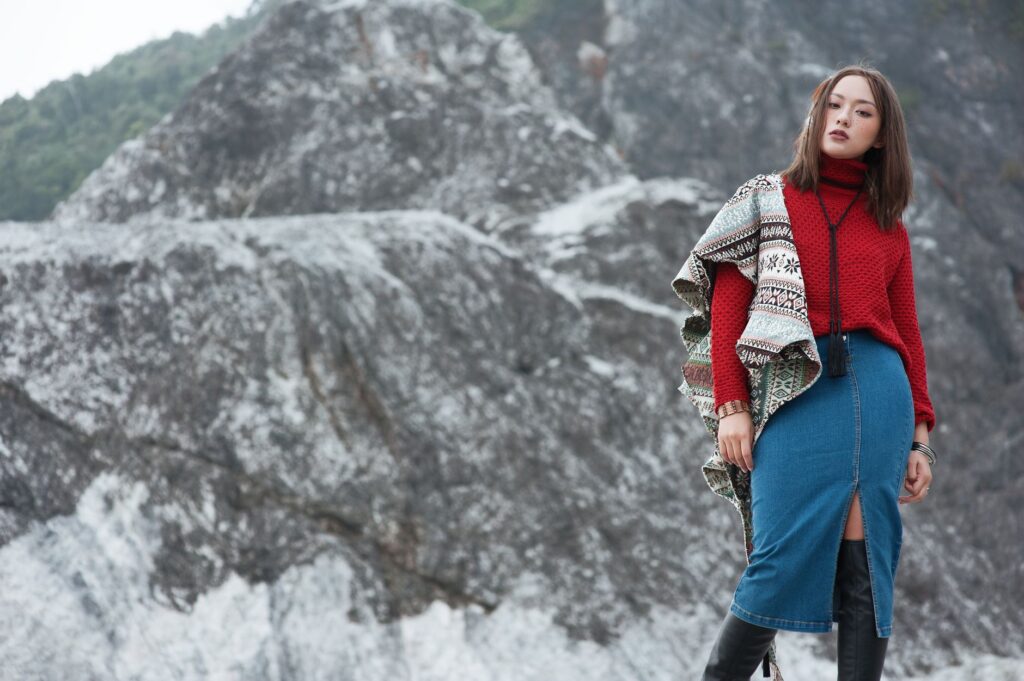
- Vary the lengths. Let layers peek out at different points — a shirt hem under a knit, a longer coat over a shorter jacket. Varied lengths look intentional and add dimension.
- Mix textures and weights. Pair a fine knit with a chunky cardigan, denim with wool, cotton with leather. Contrast keeps layers interesting.
- Keep a cohesive palette. Layers read polished when the colours work together — stick to a tonal or neutral palette and add one accent.
- Mind the proportions. Balance volume: a chunky top with slim bottoms, or a long coat with a fitted base.
Easy layering combinations
- Button-down + fine knit (collar and cuffs showing) — classic and polished
- Turtleneck under a slip dress — takes summer dresses into fall
- Tee + cardigan + trench — easy transitional layering
- Knit vest over a shirt — one of the most-copied looks
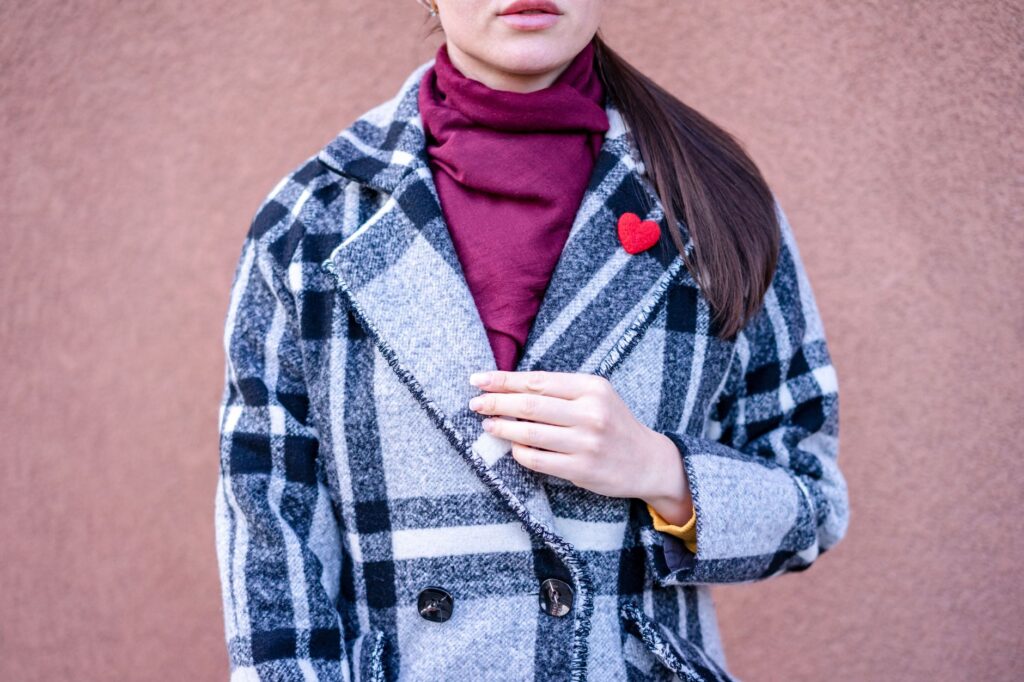
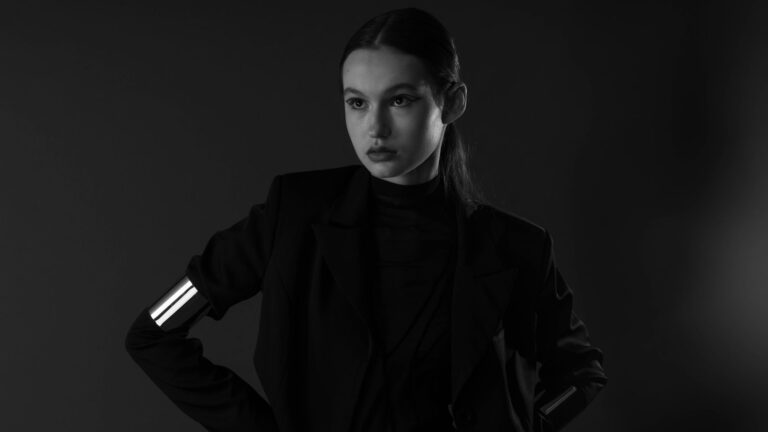
- Blazer over a turtleneck + coat on top — sharp cold-weather layering
- Long shirt under a sweater with the hem peeking out — effortless
Layering for warmth (without the bulk)
For real cold, the trick is thin, warm layers: a slim thermal or fine merino base, a knit, then a structured coat. Natural fabrics like wool and merino trap heat without adding bulk — a feature synthetics can't match for the same thickness. A scarf, hat, and gloves add warmth at the extremities, where you lose it fastest, so you can often get away with fewer body layers than you'd think.
The mistake that makes layers look bulky
Almost every "I look like a marshmallow" layering fail comes down to one thing: stacking pieces of similar weight and volume. Two thick chunky knits, or a bulky hoodie under a puffy coat, have nowhere to go and bunch up. The fix is a deliberate gradient — thinnest and most fitted against the body, each layer slightly looser and heavier than the last, with the most structured piece on the outside to hold the whole thing in a clean shape. When the layers graduate like that, they sit flat, your silhouette stays defined, and you read "styled" instead of "stuffed."
Layering in transitional weather
Spring and fall are layering season. Choose pieces you can easily remove as the day warms — a trench, denim jacket, or cardigan over a simple base — so you're comfortable from a chilly morning to a mild afternoon. Build the outfit so it still looks complete once the top layer comes off, and you're set for the whole day.
A note
Some links on our site are affiliate links, meaning we may earn a small commission at no extra cost to you — it never changes what we recommend.
Frequently asked questions
How do I layer without looking bulky? Start with thin, fitted base layers and build outward in a gradient — each layer slightly looser and heavier — and keep the outermost piece structured. Choose warm natural fabrics like merino over thick synthetics.
What's the easiest layering combo for beginners? A button-down under a fine knit, or a tee with a cardigan and a coat — both are simple, foolproof, and polished.
How do I make layers look intentional? Vary the lengths so pieces peek out, mix textures, and keep a cohesive colour palette. That's what makes layering look styled rather than random.
Can you layer in warmer weather? Yes — use lightweight layers like a linen overshirt or a light cardigan you can remove, and stick to breathable fabrics.
Why do my layered outfits look bulky? Usually you're stacking pieces of similar thickness. Use a gradient instead — thinnest and most fitted underneath, heaviest and most structured on top — so the layers lie flat and keep a clean shape.
Read next

Related articles
- Fall Work Outfits That Feel Polished and Cozy
- The Summer Capsule Wardrobe (Cool, Easy, Chic)
- The Winter Capsule Wardrobe (Warm and Chic)
- The Spring Capsule Wardrobe (A Fresh-Start Edit)
- Wardrobe Essentials in Your 30s
- Effortless Style Over 50 (Chic, Never Frumpy)
Further reading & trusted sources
The trick stylists rely on
Good layering varies length and weight — thin under thick, short over long — so it looks deliberate, not bulky. Same-length layers stacked flat is what reads like you’re just cold.
Isla’s whole styling philosophy fits in one line: buy less, choose well, and make a handful of pieces work hard — chasing every trend is expensive and rarely chic. She curates The Style Edit’s outfit ideas and capsule guides around versatile, lasting pieces instead of fast-fashion churn. Because style is personal, she offers options and how-to-wear-it rather than rigid rules. AI tools assist the research and drafting; a human edits every piece for taste and accuracy, and we never fake a review.