 By Isla Moreau, Style Editor
Reviewed & updated September 2026
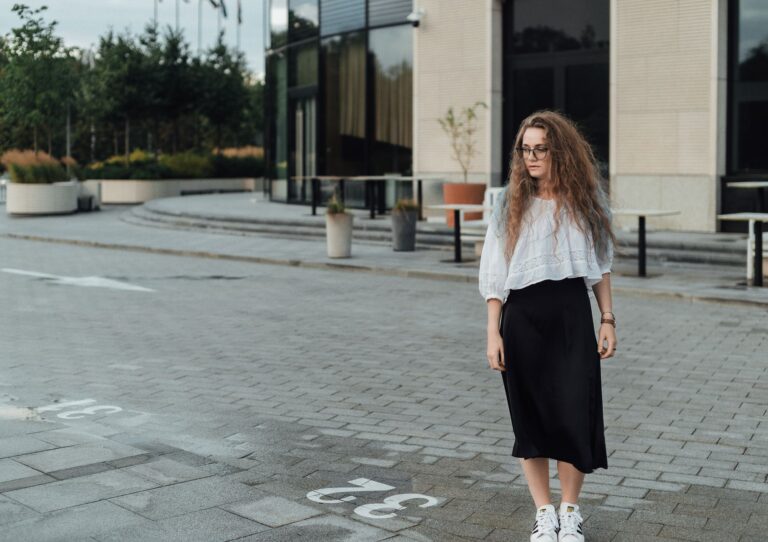
Looking expensive has surprisingly little to do with how much you spend. I've stood next to women in head-to-toe designer who looked rumpled, and women in supermarket basics who looked genuinely luxe — and the difference was never the price tag. The women who always look polished are quietly following a handful of repeatable principles — fit, fabric, colour, and grooming — that make affordable clothes read high-end. Here's exactly how to look expensive on any budget.
On this pageCurated by Isla · 6 min read- 1. Prioritise fit above everything
- 2. Choose better fabrics
- 3. Stick to a refined colour palette
- 4. Keep it simple and uncluttered
- 5. Invest in the details
- 6. Take care of your clothes
- 7. Add the finishing touches
- The mindset shift that ties it together
- A note
- Related articles
- Further reading & trusted sources
| # | Highlight | Summary |
|---|---|---|
| 1 | Prioritise fit above everything | This is the number-one secret, and it’s the one most people skip. |
| 2 | Choose better fabrics | Natural and substantial fabrics — cotton, wool, linen, silk, quality knits — drape better and read more expensive than thin, shiny |
| 3 | Stick to a refined colour palette | Tonal and neutral outfits look effortlessly expensive. |
| 4 | Keep it simple and uncluttered | Expensive-looking style is usually minimal — clean lines, few logos, and a couple of well-chosen accessories rather than a pile. |
| 5 | Invest in the details | |
| 6 | Take care of your clothes | This is the unglamorous secret nobody wants to hear: wrinkled, pilled, or stained clothing reads cheap instantly, no matter the br |
| 7 | Add the finishing touches | Groomed hair, clean nails, and confident posture pull everything together. |
1. Prioritise fit above everything
This is the number-one secret, and it's the one most people skip. Well-fitting clothes look custom; ill-fitting ones look cheap, no matter the price. Find a good tailor and have key pieces adjusted — hemmed trousers, a nipped-in blazer, a shortened strap. Spending a little to hem a budget trouser to the exact right break does more for "expensive" than spending triple on the trouser itself.
2. Choose better fabrics
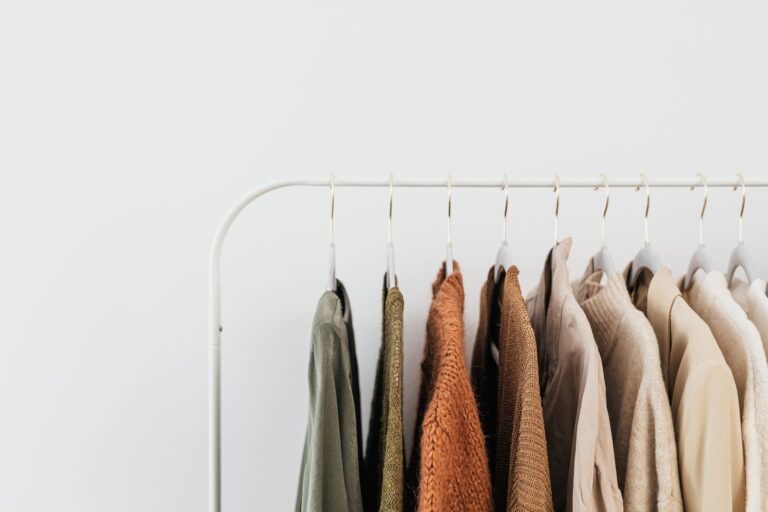
Natural and substantial fabrics — cotton, wool, linen, silk, quality knits — drape better and read more expensive than thin, shiny synthetics. You can usually feel the difference in the shop: hold the fabric up to the light, scrunch it in your hand, and see if it springs back or stays creased. Anything that looks glossy or sheer in photos tends to read cheap, however nice it feels on the hanger.
3. Stick to a refined colour palette
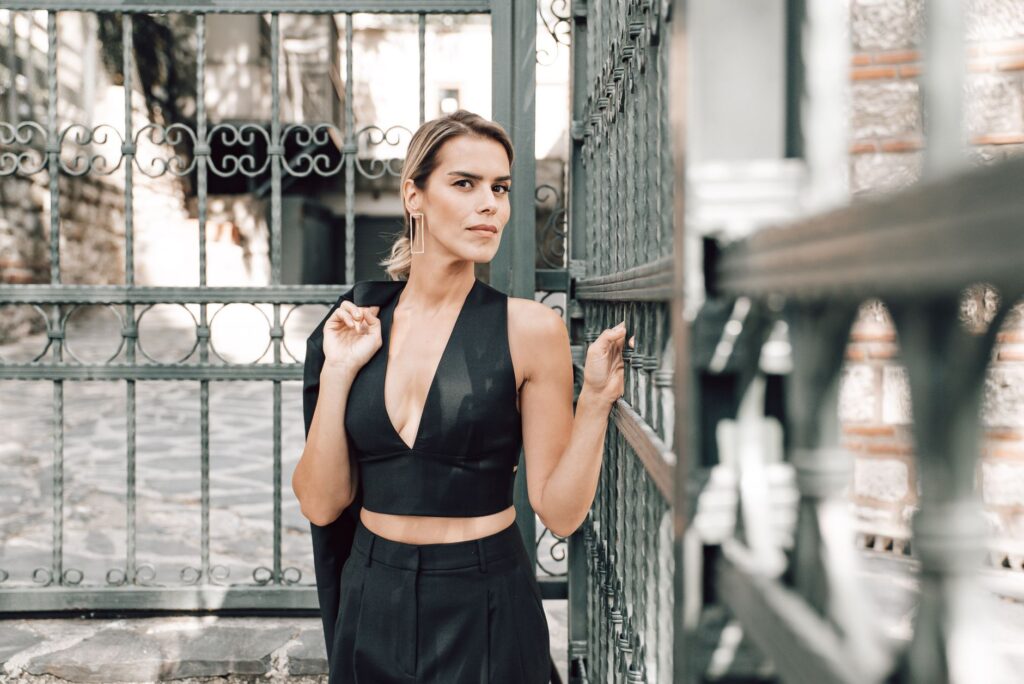
Tonal and neutral outfits look effortlessly expensive. Dressing in shades of one colour, or in classic neutrals like camel, cream, navy, and black, instantly elevates a look because it reads as deliberate and cohesive. (See our guide to colour combinations that work.)
4. Keep it simple and uncluttered
Expensive-looking style is usually minimal — clean lines, few logos, and a couple of well-chosen accessories rather than a pile. Let one element shine and keep the rest understated.

5. Invest in the details
- A structured bag and quality shoes anchor an outfit and are worth spending on — they're in every photo and take the most scrutiny.
- A great coat makes everything underneath look more expensive, and you wear it over every winter outfit.
- Real or quality-plated jewellery beats obviously cheap pieces (see our everyday jewellery guide).
6. Take care of your clothes
This is the unglamorous secret nobody wants to hear: wrinkled, pilled, or stained clothing reads cheap instantly, no matter the brand. A €15 steamer, a €5 fabric shaver, and a quick shoe polish will do more for how expensive you look than almost any purchase. Steam or iron before you leave, de-pill knits, and retire basics the moment they go grey or bobbly.
7. Add the finishing touches
Groomed hair, clean nails, and confident posture pull everything together. The "expensive" look is as much about polish and how you carry yourself as the clothes — stand tall, and even simple pieces look intentional. Polished skin is the ultimate finishing touch — this glass skin routine pairs perfectly with a refined wardrobe.
The mindset shift that ties it together
Looking expensive on a budget really comes down to choosing and caring more, not spending more. Buy fewer things, more slowly; pick pieces that fit, in fabrics that last, in colours that coordinate; then maintain them. A small, well-kept wardrobe of considered pieces will always out-class a large pile of cheap, ill-fitting, worn-out ones — and it costs less over time.
A note
Some links on our site are affiliate links, meaning we may earn a small commission at no extra cost to you — it never changes what we recommend. These principles work at every budget; you don't need to spend more, just choose and care more.
Frequently asked questions
What's the number-one way to look more expensive? Fit. Well-fitting clothes (tailored if needed) look custom and high-end, while ill-fitting ones look cheap regardless of price.
What colours look the most expensive? Tonal and neutral palettes — camel, cream, navy, black, and shades of one colour — read effortlessly elegant.
What should I invest in to look polished? A great coat, a structured bag, and quality shoes anchor every outfit and are worth spending on.
Do logos make you look expensive? Usually the opposite — minimal, clean, logo-free pieces tend to look more refined and timeless.
What's the cheapest way to instantly look more expensive? Maintenance: steam your clothes, de-pill your knits, polish your shoes, and have one trouser hemmed. It costs almost nothing and transforms how put-together you look.
Read next

Related articles
- How to Build a Capsule Wardrobe on a Budget
- Effortless Style Over 40 (Modern, Not Frumpy)
- How to Style a Slip Dress (Day to Night)
- How to Style a Turtleneck (10 Outfit Ideas)
- How to Style a Trench Coat (Casual to Polished)
- How to Nail Quiet Luxury on a Budget
Further reading & trusted sources
Where outfits usually go wrong
Expensive-looking outfits share three things: fit, fabric, and restraint — tailored, natural fibres, a tight palette. Logos and busy details cheapen far faster than they elevate.
Isla’s whole styling philosophy fits in one line: buy less, choose well, and make a handful of pieces work hard — chasing every trend is expensive and rarely chic. She curates The Style Edit’s outfit ideas and capsule guides around versatile, lasting pieces instead of fast-fashion churn. Because style is personal, she offers options and how-to-wear-it rather than rigid rules. AI tools assist the research and drafting; a human edits every piece for taste and accuracy, and we never fake a review.