 By Isla Moreau, Style Editor
Reviewed & updated September 2026
Vests have quietly become one of the most versatile pieces in a modern wardrobe — layerable, unexpected, and far more flexible than most people give them credit for. Whether it's a tailored waistcoat, a knit sweater vest, or a quilted puffer version, here's how to wear one without it looking like a costume piece.
 Skip ahead toCurated by Isla · 7 min read
- Why the vest works right now
- 1. Tailored vest + button-down + trousers
- 2. Sweater vest + collared shirt + jeans
- 3. Puffer or quilted vest + hoodie or knit + leggings
- 4. Vest as a layering piece over a dress
- 5. Denim vest + graphic tee + wide-leg jeans
- Common vest styling mistakes to avoid
- The takeaway
- Further reading & trusted sources
Why the vest works right now
Part of the appeal is practical — a vest adds structure and visual interest to an outfit without the bulk of a full jacket, which makes it an easy layer for transitional weather. Part of it is trend-driven — the "quiet luxury" and menswear-inspired styling moments of the last few seasons have pushed tailored vests and waistcoats back into rotation, often layered over a simple shirt for a polished, slightly androgynous look.
The key to making a vest read as intentional rather than incomplete is what you pair it with underneath and around it — the vest alone rarely carries the whole outfit.
| # | Highlight | Summary |
|---|---|---|
| 1 | Tailored vest + button-down + trousers | This is the most polished way to wear a vest, and it borrows directly from menswear tailoring. |
| 2 | Sweater vest + collared shirt + jeans | The preppy sweater-vest-over-collared-shirt combination has become a genuine wardrobe staple rather than a passing trend. |
| 3 | Puffer or quilted vest + hoodie or knit + leggings | This is the most casual, functional way to wear a vest, and it’s genuinely useful in cooler weather when a full jacket feels like |
| 4 | Vest as a layering piece over a dress | An unexpected but genuinely effective combination: a fitted or cropped vest layered over a slip dress or midi dress. |
| 5 | Denim vest + graphic tee + wide-leg jeans | For a more casual, retro-leaning look, a denim vest over a simple graphic or plain t-shirt, paired with wide-leg or straight jeans |
1. Tailored vest + button-down + trousers
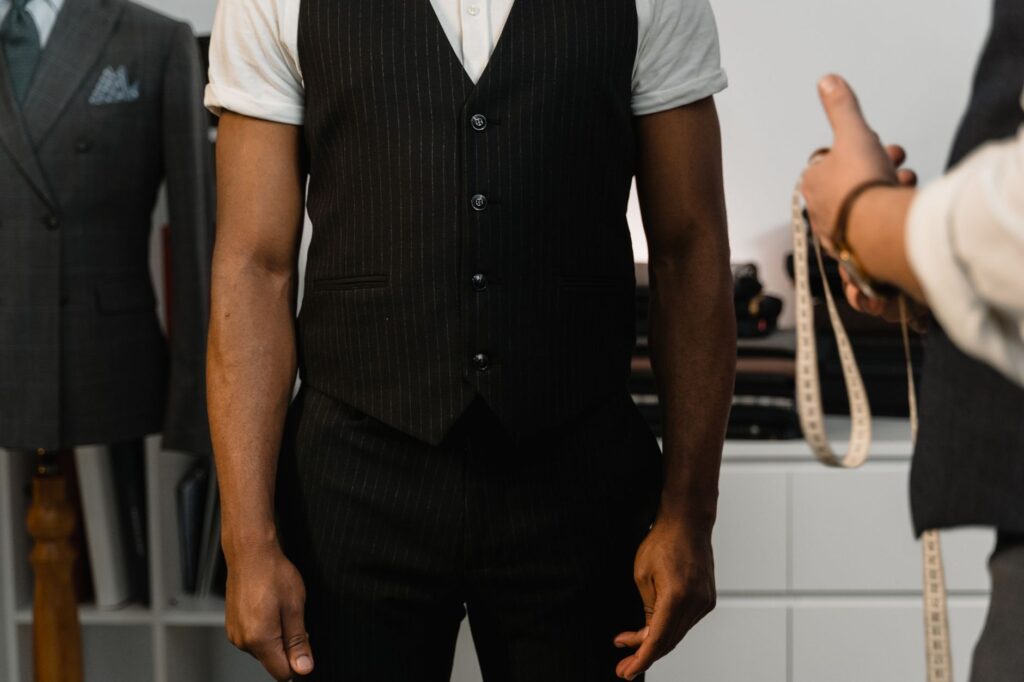
This is the most polished way to wear a vest, and it borrows directly from menswear tailoring. A fitted or slightly oversized tailored vest layered over a crisp button-down, paired with matching or contrasting trousers, reads as sharp and put-together without needing a blazer at all.
Leave a couple of buttons on the vest undone if it's fitted, or let it hang open if it's a looser cut — a fully buttoned, boxy vest can look stiff. Add loafers or pointed flats to keep the look grounded rather than costume-y.
2. Sweater vest + collared shirt + jeans
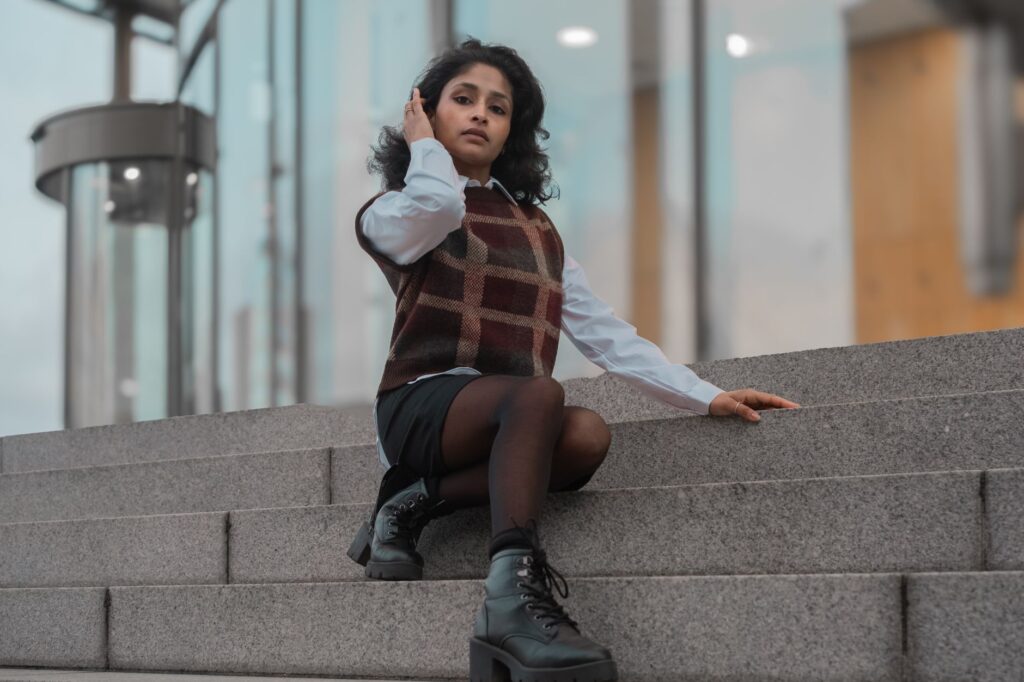
The preppy sweater-vest-over-collared-shirt combination has become a genuine wardrobe staple rather than a passing trend. Layer a fine-knit sweater vest over a button-down shirt (collar out, cuffs peeking below the vest's armholes), then pair with straight-leg or wide-leg jeans.
This combination works especially well because the shirt collar and cuffs do the visual work of making the outfit look layered and considered, even though it's really just two simple pieces. Add loafers or clean sneakers depending on how dressed-up you want the rest of the look.
3. Puffer or quilted vest + hoodie or knit + leggings
This is the most casual, functional way to wear a vest, and it's genuinely useful in cooler weather when a full jacket feels like too much but a single layer isn't warm enough. A quilted or puffer vest over a hoodie or chunky knit sweater, paired with leggings or joggers, adds warmth to your core without restricting arm movement — practical for errands, dog walks, or an outdoor workout.
Keep the color palette simple here — one neutral vest color against a slightly different neutral underneath reads more intentional than a lot of competing colors and textures.
4. Vest as a layering piece over a dress
An unexpected but genuinely effective combination: a fitted or cropped vest layered over a slip dress or midi dress. This works because the vest adds structure and a defined waistline to a dress that might otherwise read as too simple or too flowy on its own.
A cropped denim or leather vest over a flowy dress adds an edgier, more casual contrast, while a longer tailored vest over a slip dress leans more elevated. Either way, this combination is a good way to get more wear out of dresses already in your closet without buying anything new.

5. Denim vest + graphic tee + wide-leg jeans
For a more casual, retro-leaning look, a denim vest over a simple graphic or plain t-shirt, paired with wide-leg or straight jeans, brings a lived-in, slightly '90s energy without trying too hard. This combination works especially well as an outer layer in warmer months when a full jacket is too much but you still want a bit of structure.
Keep the rest of the outfit simple — one statement piece (the vest) is enough; adding too many other trend pieces at once tends to compete rather than complement.
Common vest styling mistakes to avoid
Wearing it as a standalone top. Most vests, especially tailored ones, are designed to be layered over something — a bare vest with nothing underneath (unless intentionally styled that way for a specific look) tends to read as unfinished rather than minimal.
Ignoring proportions. A boxy, oversized vest paired with equally loose bottoms can swallow your shape. Balance an oversized vest with more fitted bottoms, or a fitted vest with looser trousers — one loose, one fitted is generally the safer formula.
Skipping the accessories. A vest, especially a tailored one, is an easy place to add a belt at the waist, which defines your silhouette and keeps the whole outfit from reading as flat or shapeless.
The takeaway
A vest is one of the more versatile pieces you can add to a wardrobe, moving from polished office styling to casual weekend layering depending on what you pair it with. The formula that works across every version: choose one fit story (fitted vest with looser bottoms, or looser vest with fitted bottoms), layer it over something with visible texture or detail underneath, and let the vest do the structural work rather than trying to make it the only interesting piece in the outfit.
Frequently asked questions
Can I wear a vest without anything underneath?
It depends on the style and coverage — a fitted, higher-coverage vest can sometimes work on its own for a bold look, but most tailored and knit vests are designed to be layered over a shirt or top for a more finished, wearable outfit.
What's the difference between a vest and a waistcoat?
The terms are largely interchangeable, though "waistcoat" typically refers more specifically to a tailored, suit-style vest (often part of a three-piece suit), while "vest" is used more broadly to include knit, puffer, denim, and other casual styles.
Are vests still in style in 2026?
Yes — tailored vests and waistcoats have remained a consistent part of the quiet-luxury and menswear-inspired trend cycle, while sweater vests and puffer vests continue to be practical, popular layering pieces across seasons.
How do I choose the right vest size?
For tailored vests, a closer fit through the shoulders and torso generally looks more intentional than an overly loose one, though some oversized styles are designed that way intentionally. For puffer or knit vests, sizing up slightly can work if you're layering it over a sweater or hoodie underneath.
Read next

Further reading & trusted sources
What actually makes the difference
A fully buttoned, boxy tailored vest tends to read as stiff rather than polished, while leaving the bottom button or two undone (or letting a looser cut hang open) is the small adjustment that makes the same piece look intentionally styled instead of borrowed from a costume. Pairing an oversized vest with equally loose bottoms is the most common proportion mistake, since nothing in the outfit is left to define the shape underneath — one fitted element is what keeps the silhouette from reading as shapeless.
Isla’s whole styling philosophy fits in one line: buy less, choose well, and make a handful of pieces work hard — chasing every trend is expensive and rarely chic. She curates The Style Edit’s outfit ideas and capsule guides around versatile, lasting pieces instead of fast-fashion churn. Because style is personal, she offers options and how-to-wear-it rather than rigid rules. AI tools assist the research and drafting; a human edits every piece for taste and accuracy, and we never fake a review.