 By Isla Moreau, Style Editor
Reviewed & updated September 2026
Culottes sit in an odd middle ground — wider and more fluid than trousers, shorter and more structured than a skirt — which is exactly why they trip people up. Get the proportions right, though, and culottes are one of the most versatile, comfortable pieces you can add to a wardrobe. Here's how to wear them so they read as intentional, not confusing.
 What you’ll find insideCurated by Isla · 6 min read
What are culottes, exactly?
Culottes are wide-leg pants that end somewhere between the mid-calf and ankle, cut full enough that they can look like a skirt from a distance, especially in a flowy fabric. They differ from cropped wide-leg trousers mainly in their more exaggerated width and shorter length, and from palazzo pants in that culottes are generally shorter and slightly less voluminous.
The style has cycled in and out of fashion for decades, and its current appeal comes down to comfort without sacrificing polish — culottes move like a skirt but function like pants, which makes them genuinely practical for everyday wear.
The proportion rule that makes culottes work
Because culottes are already voluminous on the bottom, the single most important styling rule is balancing that volume with something fitted on top. A loose top over loose culottes reads as shapeless and swallows your frame, while a fitted or tucked-in top creates the contrast that makes the outfit look put-together rather than like you're wearing a costume.
The second rule is footwear: culottes work best with a shoe that doesn't add visual bulk at the ankle, since the pant leg already ends at an unusual length. Sleek, low-profile shoes generally photograph and wear better than anything chunky at the same height as the hem.
5 ways to style culottes
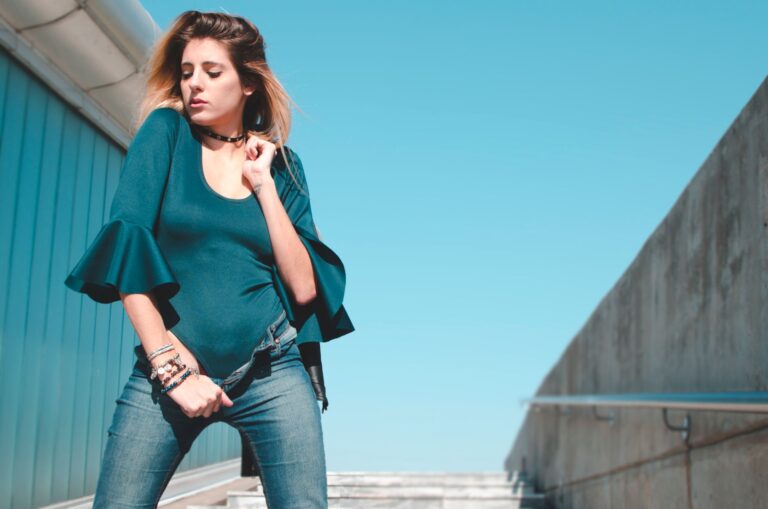
1. Fitted top, tucked in. A fitted t-shirt, bodysuit, or tucked blouse paired with wide culottes is the most reliable formula in this whole guide. The tuck defines your waist and keeps the outfit from looking like one shapeless block of fabric.
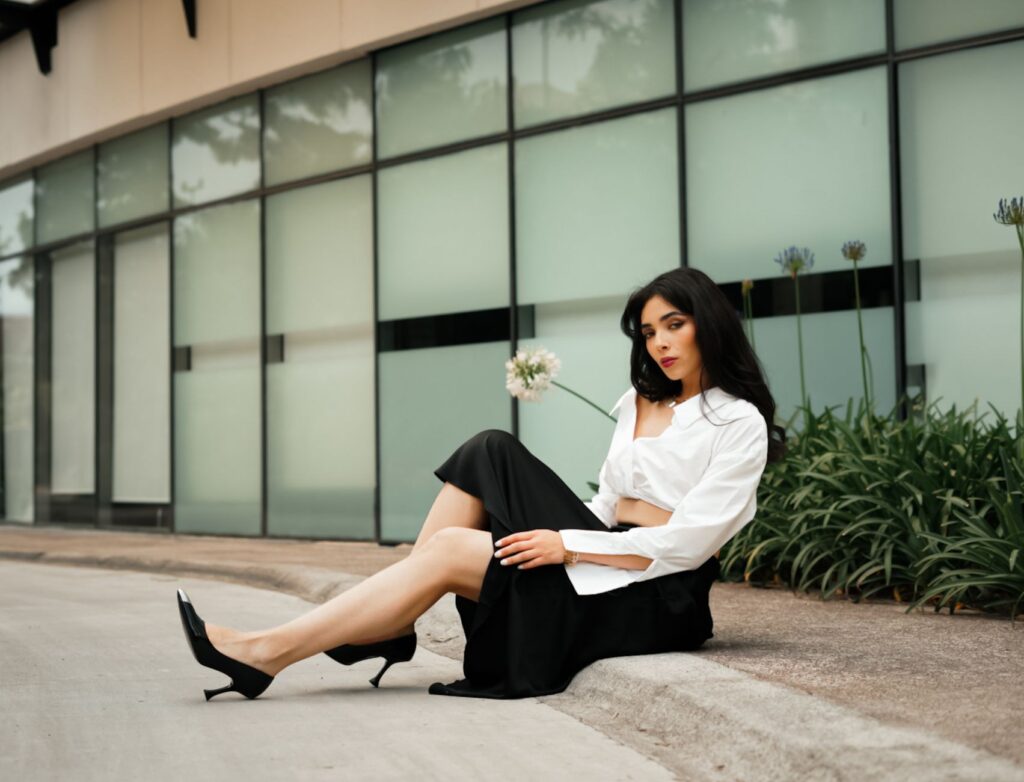
2. Cropped top, high-waisted culottes. If your culottes sit high on the waist, a cropped top that ends right at the waistband shows a controlled sliver of skin and elongates the legs — a look that works especially well for warm-weather outfits.
3. Blazer over a simple top. A structured blazer, worn open or buttoned, adds the fitted contrast culottes need while instantly making the outfit feel more polished — a strong option for office or dinner settings.

4. Bodysuit and heeled sandals. A fitted bodysuit tucks in seamlessly with zero bulk at the waistline, and pairing it with heeled sandals or mules elongates the leg line even with the shorter culotte hem.
5. Knit sweater, half-tucked. For a more relaxed cool-weather look, a fitted or slim knit sweater, tucked in on one side only, keeps some structure at the waist while feeling more casual than a full tuck.
What shoes work with culottes
Heeled sandals or mules. These elongate the leg and keep the outfit feeling elevated, especially with an ankle-baring hem length.
Pointed-toe flats. A sleek, low-profile flat avoids adding bulk near the hemline and works well for a more casual or office-appropriate look.
Ankle boots (with shorter culottes). If your culottes hit above the ankle, a low or mid-height ankle boot can work, though it's worth checking the proportion in a mirror first — too much boot next to too much pant leg can look busy.
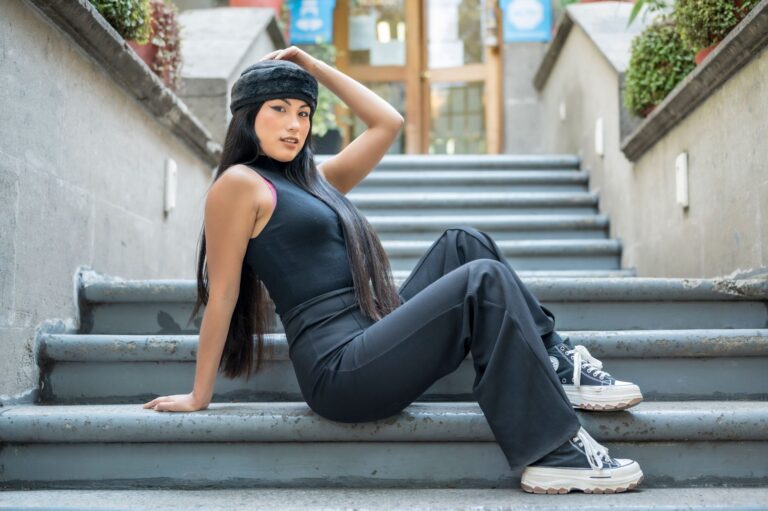
Avoid chunky sneakers with wide, flowy culottes, since the volume-on-volume combination tends to overwhelm the silhouette rather than balance it.
What to avoid when wearing culottes
Loose top with loose culottes. This is the single most common styling mistake — without a fitted element somewhere, the whole outfit reads as one undefined shape rather than an intentional look.
Ignoring the waistline. Culottes rely on a defined waist to look polished. A belt, a tuck, or a fitted top at the waistline does most of the work here.
Wrong shoe height for your hem. A hem that hits mid-calf paired with a low, flat shoe can look unintentionally short and stumpy on some body types — testing the proportion with a heel first is worth doing before committing to flats.
The takeaway
Culottes reward a bit of intentionality that plainer pants don't require — balance the volume up top, define the waist, and choose shoes that don't add extra bulk at the hemline. Get those three things right and culottes become one of the most comfortable, versatile pieces in a wardrobe, equally at home in a casual weekend outfit or a polished office look.
Frequently asked questions
Are culottes flattering for every body type?
Yes, with the right proportions — the key adjustment isn't body type but pairing the wide leg with a fitted top and a defined waistline, which works across different shapes.
Can culottes be worn to the office?
Yes, especially paired with a blazer and a tucked-in blouse or fitted top. Choosing a more structured fabric, like a crisp cotton or wool blend, also reads more office-appropriate than a flowy jersey pair.
What's the difference between culottes and palazzo pants?
Culottes are generally shorter (mid-calf to ankle) and less voluminous than palazzo pants, which are typically full-length and more dramatically wide throughout the leg.
Do culottes work for petite frames?
Yes, though a higher-waisted pair and a hem that hits at the ankle rather than mid-calf tends to elongate the leg line better for shorter frames.
Read next
Further reading & trusted sources
The trick stylists rely on
The hem length matters more than people expect when picking shoes, because a culotte that hits mid-calf next to a flat, low shoe can visually shorten the leg in a way the exact same pant paired with even a small heel doesn’t. A loose top over loose culottes is the most common mistake in practice, not because the individual pieces are wrong but because nothing in the outfit is defining a waistline for the eye to anchor on.
Isla’s whole styling philosophy fits in one line: buy less, choose well, and make a handful of pieces work hard — chasing every trend is expensive and rarely chic. She curates The Style Edit’s outfit ideas and capsule guides around versatile, lasting pieces instead of fast-fashion churn. Because style is personal, she offers options and how-to-wear-it rather than rigid rules. AI tools assist the research and drafting; a human edits every piece for taste and accuracy, and we never fake a review.