 By Isla Moreau, Style Editor
Reviewed & updated September 2026
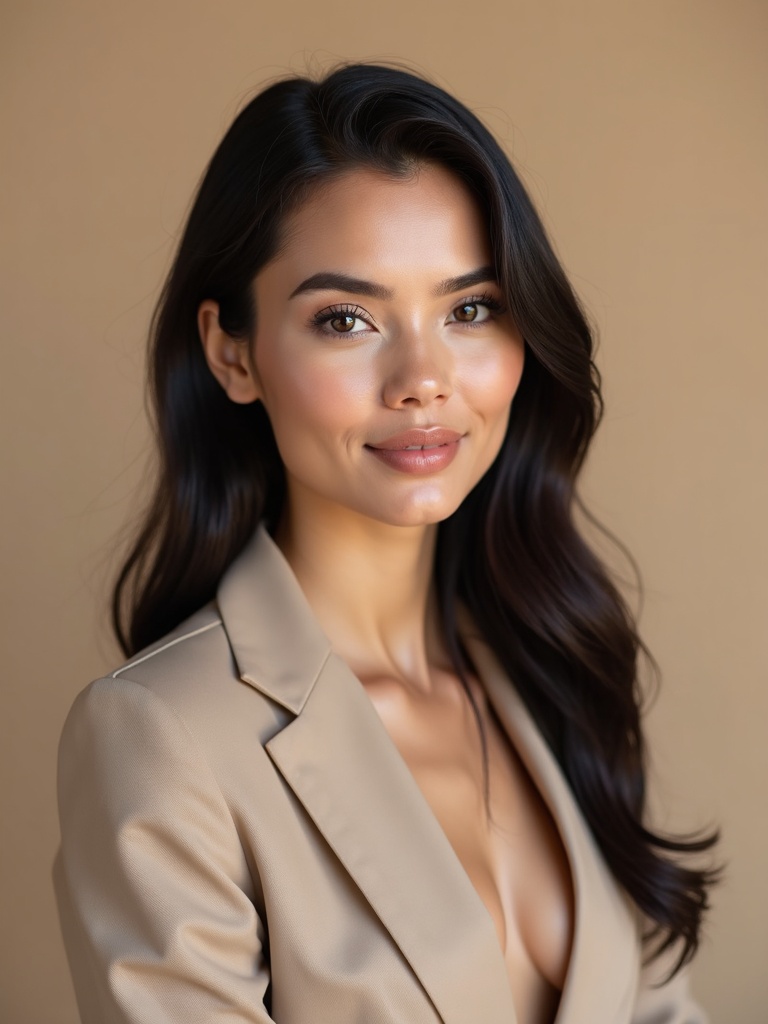
The shacket — that shirt-jacket hybrid that's too heavy to be a shirt and too light to be a real coat — has settled into wardrobes as a genuine year-round staple rather than a passing trend. It's forgiving, layers easily, and works across more occasions than most people give it credit for.
 Skip ahead toCurated by Isla · 7 min read
- What exactly is a shacket
- Outfit 1: Shacket, white tee, and jeans
- Outfit 2: Shacket over a dress
- Outfit 3: Shacket as a light jacket with leggings
- Outfit 4: Layered under a heavier coat
- Outfit 5: Belted for a more shaped silhouette
- Choosing the right shacket for your body type
- Fabric and color choices that go the distance
- Common shacket styling mistakes
- The takeaway
- Further reading & trusted sources
What exactly is a shacket
A shacket sits in the gap between a flannel shirt and a lightweight jacket — usually made from a slightly heavier fabric like brushed cotton, flannel, wool blend, or corduroy, cut with a shirt-style collar and button (or snap) front, but boxier and often a touch longer than a true shirt. It's meant to be worn open over another layer most of the time, rather than buttoned up like a dress shirt. That in-between quality is exactly what makes it so versatile — it reads more put-together than a hoodie but more relaxed than a blazer.
Outfit 1: Shacket, white tee, and jeans
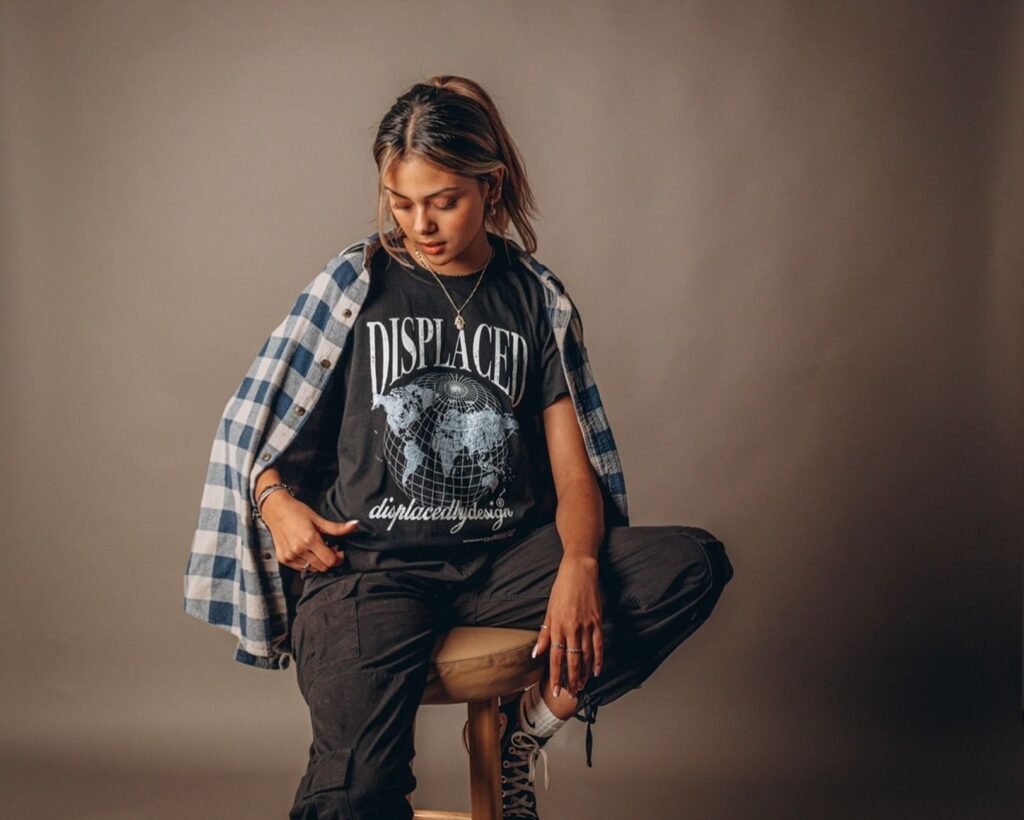
The simplest and most reliable formula: a plain white or neutral t-shirt underneath, straight or slightly relaxed jeans, and the shacket worn open over both. Add white sneakers or clean boots and this becomes an effortless everyday outfit that works for errands, casual coffee, or a weekend walk. Rolling the shacket's sleeves up to the forearm keeps it from looking too bulky.
Outfit 2: Shacket over a dress
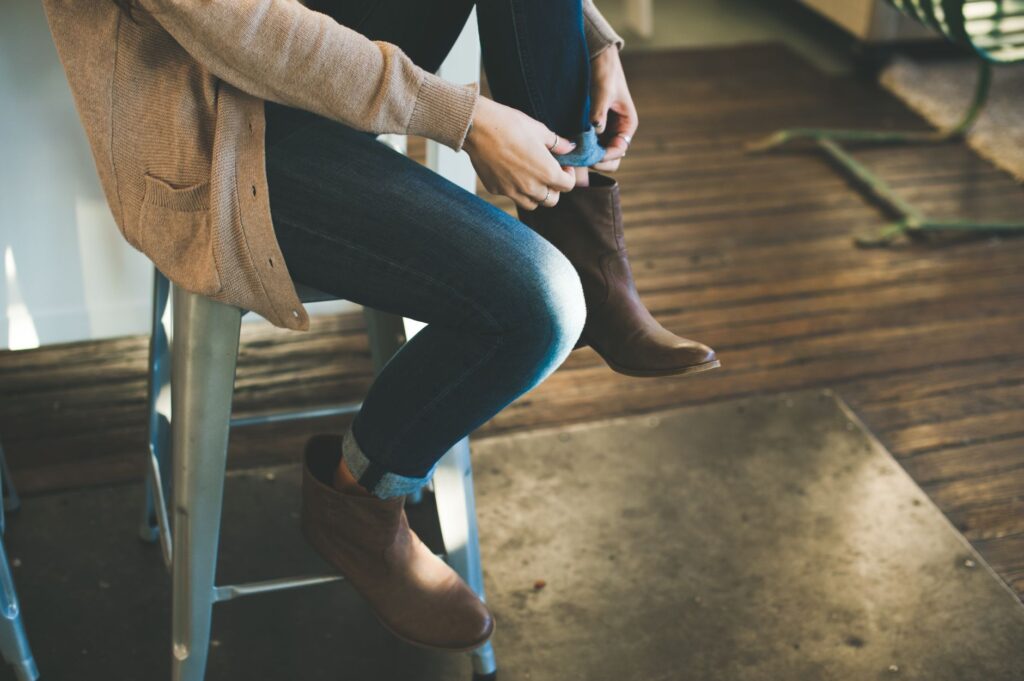
Layering a shacket over a slip dress or a simple knit dress is one of the easiest ways to make a summer piece work into cooler weather without buying a whole new outfit. Choose a shacket in a solid, muted color if the dress has a pattern, or go patterned-on-patterned confidently if the colors share a similar tone. Ankle boots finish this combination well.
Outfit 3: Shacket as a light jacket with leggings
For an athleisure-adjacent look, a shacket thrown over leggings and a fitted tank or long-sleeve top gives a casual outfit more shape and polish than a puffer or zip-up hoodie would. This combination works especially well for transitional weather — cool mornings that warm up by afternoon — since the shacket can come off and tie around the waist if needed.
Outfit 4: Layered under a heavier coat
On colder days, a shacket works as a true middle layer: base layer or sweater, shacket over it, and a heavier wool coat or puffer on top. This is one of the shacket's most practical uses since it adds real warmth without the bulk of two heavy jackets stacked on each other. Keep the shacket unbuttoned in this configuration so it doesn't bunch awkwardly under the outer coat.
Outfit 5: Belted for a more shaped silhouette
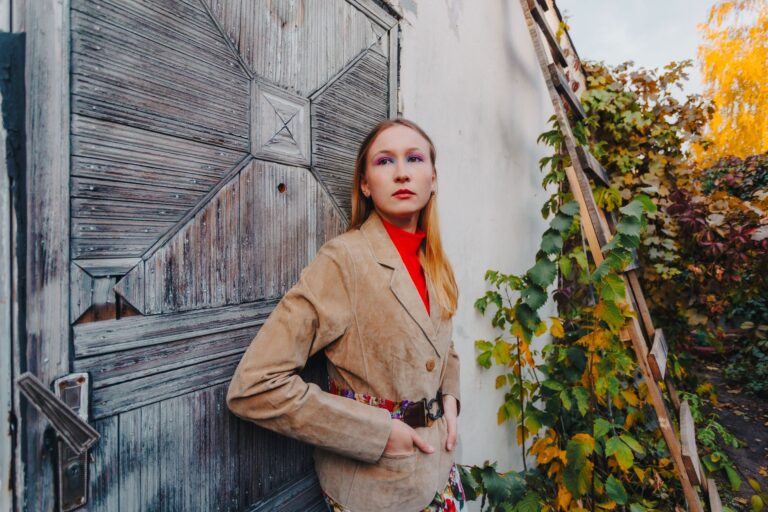
Because shackets are typically boxy and unstructured, adding a thin belt at the waist (or simply tying the shacket's own hem into a front knot) creates a more fitted silhouette instantly. This works particularly well over a plain tee and wide-leg trousers or a midi skirt, turning a casual piece into something a little more deliberate-looking without changing the actual outfit much.
Choosing the right shacket for your body type
A shacket's boxy cut is genuinely flattering on most body types, but the length matters more than people expect. A shacket that hits right at the hip tends to be the most universally flattering length; one that hits mid-thigh can visually shorten the legs on shorter frames unless it's worn open over a longer bottom layer. Taller frames generally have more flexibility to wear a longer shacket without it looking overwhelming.
Fabric and color choices that go the distance
Plaid and flannel are the most classic shacket patterns and pair easily with denim and neutral basics. A solid-colored shacket in olive, camel, or charcoal is the most versatile option if you only want to own one, since it pairs with nearly everything already in a typical closet. Corduroy shackets bring a slightly dressier, textured look that works well layered over knitwear in fall and winter.
Common shacket styling mistakes
- Buttoning it all the way up like a dress shirt. Shackets are designed to be worn open or loosely fastened; buttoning fully tends to look stiff and ill-fitting.
- Pairing it with equally boxy bottoms. Since the shacket itself is already loose, balance it with slimmer-fitting jeans, leggings, or a fitted dress underneath rather than doubling up on volume.
- Ignoring proportions. A long shacket paired with cropped pants can look mismatched — either lengthen the bottom layer or size down to a shorter shacket.
- Skipping the layering opportunity. Treating a shacket like a standalone piece (worn buttoned, alone, no base layer) skips exactly what makes it useful — it's built to go over something.
The takeaway
A shacket earns its spot as a wardrobe staple because it does the job of both a shirt and a light jacket, layers over almost anything, and works across three seasons without much effort. Keep one or two neutral-colored shackets on hand for everyday wear and a patterned one for personality, and you'll find yourself reaching for it more than most other pieces in the closet.
Frequently asked questions
Is a shacket the same as a flannel shirt?
Not quite — a flannel shirt is typically lighter, more fitted, and meant to be worn buttoned as a shirt on its own. A shacket is heavier, boxier, and designed to function more like a light jacket layered over another top.
Can a shacket be worn in summer?
Lightweight shackets in cotton or linen blends work well for cool summer evenings or heavily air-conditioned spaces, though most shackets are better suited to spring, fall, and mild winter days given their heavier fabric.
What shoes go best with a shacket outfit?
Sneakers, ankle boots, and loafers all pair naturally with shacket outfits since the look leans casual-to-smart-casual. Heels can work too for a more polished take, especially with the belted or dress-layering outfit ideas.
How do I know if a shacket fits correctly?
It should sit comfortably over another layer (a t-shirt or light sweater) without pulling across the shoulders or chest, and the sleeves should allow room to push up or roll without feeling tight — a shacket is meant to have some ease built in, not fit like a tailored jacket.
Read next
Further reading & trusted sources
The styling detail most people miss
Buttoning a shacket all the way up like a dress shirt is the most common reason it reads as ill-fitting, since the boxier cut that makes it comfortable to layer over a base layer looks stiff and oversized the moment it’s worn buttoned and alone. A shacket that hits mid-thigh can visually shorten shorter frames unless it’s worn open over a longer bottom layer, which is a length detail that matters more on this piece than on a true jacket.
Isla’s whole styling philosophy fits in one line: buy less, choose well, and make a handful of pieces work hard — chasing every trend is expensive and rarely chic. She curates The Style Edit’s outfit ideas and capsule guides around versatile, lasting pieces instead of fast-fashion churn. Because style is personal, she offers options and how-to-wear-it rather than rigid rules. AI tools assist the research and drafting; a human edits every piece for taste and accuracy, and we never fake a review.