 By Isla Moreau, Style Editor
Reviewed & updated September 2026
Purple has moved from an occasional accent color to one of the season's defining trends — runways and street style alike have leaned into everything from soft lilac to deep, regal plum. If you've been hesitant to wear purple because it feels bold or hard to place, this guide breaks down exactly how to wear it at any level of intensity you're comfortable with.
 Quick navigationCurated by Isla · 7 min read
Why Purple Is Having a Moment
Purple sits in an interesting spot on the color wheel — it reads as both a neutral-adjacent tone (in its muted, dusty forms) and a genuine statement color (in its deep, saturated forms). That range is exactly why it's trending: it works as an easy entry point for someone who wants to experiment with color without going all-in on something like bright orange or fuchsia, while also offering serious richness for anyone who wants a real statement piece.
The specific shades getting the most attention this season are deep plum, rich violet, and soft lilac — each works differently depending on your comfort level and the season.
Start Small: Purple as an Accent
If a full purple outfit feels like too big a leap, accessories are the lowest-risk entry point:
- A purple handbag against an otherwise neutral outfit (black, white, camel, gray) instantly modernizes a basic look without overwhelming it.
- Purple shoes — a set of heels, loafers, or sneakers — add a pop of color from the ground up that pairs surprisingly well with denim.
- A silk scarf, either worn around the neck or tied to a bag handle, is an easy way to test the color before committing to a full garment.
This approach lets you gauge how the specific shade of purple works with your existing wardrobe and skin tone before investing in a larger piece.
Purple as a Statement Piece
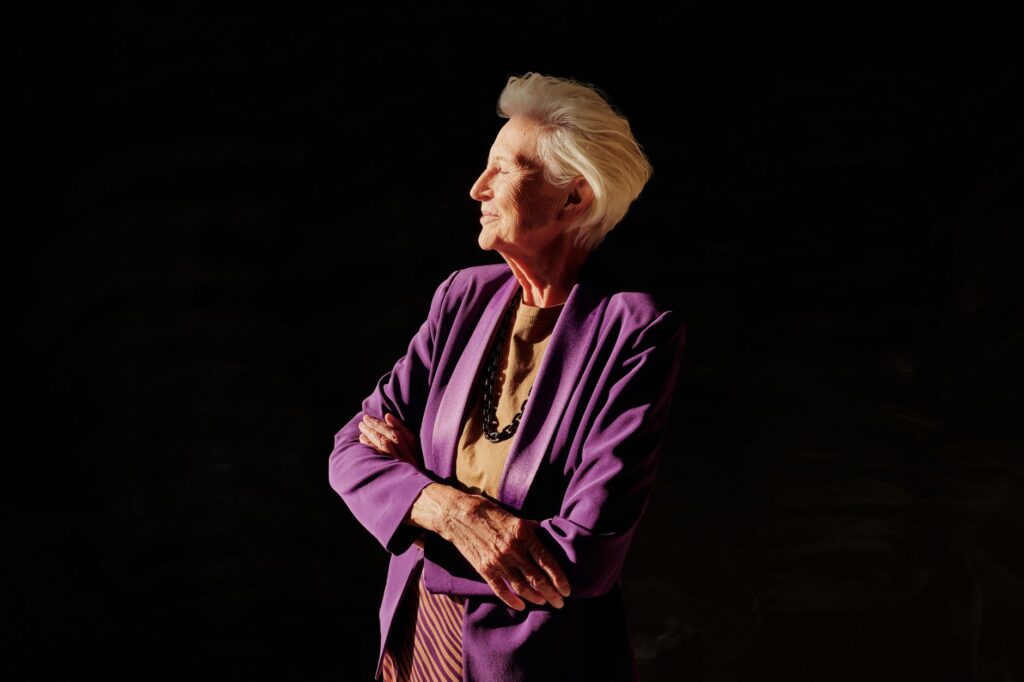
Once you're ready to commit further, a single purple piece — a coat, blazer, sweater, or dress — anchors an entire outfit while everything else stays simple.
Purple coat: worn over an all-black or all-neutral outfit, a purple coat becomes the focal point of the look with almost no additional effort. This is one of the most forgiving ways to wear a bold color because a coat is, by nature, an outer layer that doesn't need to coordinate with everything underneath in a complex way.
Purple blazer: styled over a simple top and trousers or jeans, a blazer in a rich purple reads as polished and intentional rather than costume-like, especially in a structured, tailored cut.
Purple sweater or knit: a softer, more casual way to wear the color, especially in a muted lilac or heathered violet — easy to pair with jeans for daytime.
Purple dress: the most committed option, but also one of the simplest to style, since a single dress needs minimal additional coordination — just the right shoes and accessories.
What to Pair Purple With
Neutrals (black, white, gray, camel, beige): the safest and most versatile pairing. Neutrals let the purple do the visual work without competition, which is ideal if you're still building confidence with the color.
Denim: purple and denim blue sit close enough on the color wheel to feel harmonious rather than clashing, making this one of the easiest, most casual ways to incorporate purple into an everyday wardrobe.
Metallics (gold and silver accessories): gold tends to warm up and complement deeper, richer purples (plum, aubergine), while silver pairs more naturally with cooler, brighter violets. Choosing the right metal family for your specific shade of purple makes a noticeable difference.
Green: an adjacent-on-the-wheel pairing that's become a popular styling move this season — think a deep purple top with an olive or forest green bottom for an unexpected, editorial-feeling combination.
[TAKE] The pairing mistake that undercuts a great purple piece: matching it with too many other bold colors at once. Purple already reads as a statement, so the rest of the outfit doing "quiet" — neutrals or one complementary color, not three competing ones — is what makes the purple look intentional instead of chaotic.
Choosing the Right Shade for Your Skin Tone
Warm undertones: richer, warmer purples like plum, aubergine, and burgundy-leaning violet tend to be the most flattering, since they share some warmth with your natural coloring.
Cool undertones: brighter, cooler purples like true violet, amethyst, and cool-toned lilac tend to complement cool undertones best, echoing the same coolness in your skin.
Neutral undertones: you have the most flexibility and can generally wear both warm-leaning and cool-leaning purples successfully — this is a good group to experiment across the full range of shades.
If you're unsure of your undertone, holding a piece up near your face in natural light is a simple, reliable test — a flattering shade will make your skin look brighter and more even, while an unflattering one can make it look slightly gray or sallow.
Purple for Different Occasions
Work: a muted plum blazer or a lilac blouse under a neutral blazer reads as polished and professional without feeling like a departure from typical workwear colors.
Date night: a rich violet or deep plum dress or top brings a sense of occasion without needing sequins or an obviously "going out" fabric.
Casual weekend: a lilac sweater or purple sneakers keep the color light and easy, appropriate for running errands or a casual outing.
Formal events: deep, saturated purples like aubergine or a true jewel-toned violet read as genuinely formal-appropriate, functioning almost like an alternative to classic black.
The Takeaway
Purple's range — from soft, easy-to-wear lilac to deep, statement-making plum — is exactly what makes it one of the most versatile trend colors to adopt this season. Start with an accessory if you want a low-commitment entry point, or go straight for a coat or blazer if you're ready to make it the focal point of your outfit. Either way, letting the rest of your look stay simple is what keeps the purple reading as intentional rather than overwhelming.
Frequently Asked Questions
Is purple a hard color to wear for everyday outfits?
Not if you start with the right shade and amount — a muted lilac sweater or a purple accessory paired with neutrals is genuinely easy to wear daily, while deep jewel-toned purples work better as an occasional statement piece.
What shoe colors go best with a purple outfit?
Black, white, nude, and metallic (gold or silver, depending on the purple's warmth) all pair reliably well. Purple shoes themselves can also work in a tonal, monochrome-purple outfit for a more fashion-forward look.
Can I wear purple year-round, or is it seasonal?
Purple works in every season — lighter lilac and lavender tones feel natural in spring and summer, while deep plum, aubergine, and burgundy-purple feel more suited to fall and winter.
How do I avoid purple looking too "costume-y" or overly bold?
Stick to one purple piece per outfit rather than multiple, pair it with simple neutrals, and choose tailored or structured silhouettes over anything overly shiny or textured, which can push the look from "fashionable" into "costume" territory.
Read next

Further reading & trusted sources
The trick stylists rely on
Holding a purple piece up near your face in natural light is a far more reliable undertone test than any online quiz — a flattering shade visibly brightens the skin, while an unflattening one leaves it looking slightly gray or sallow within seconds. Pairing a bold purple with more than one other bold color is the fastest way to tip an intentional statement piece into looking chaotic instead.
Isla’s whole styling philosophy fits in one line: buy less, choose well, and make a handful of pieces work hard — chasing every trend is expensive and rarely chic. She curates The Style Edit’s outfit ideas and capsule guides around versatile, lasting pieces instead of fast-fashion churn. Because style is personal, she offers options and how-to-wear-it rather than rigid rules. AI tools assist the research and drafting; a human edits every piece for taste and accuracy, and we never fake a review.