 By Isla Moreau, Style Editor
Reviewed & updated August 2026
"Personal style" can feel like something other people just have. In reality, it's a skill you build — a clear sense of what you love to wear, what flatters you, and what makes you feel like yourself. I didn't have it for most of my twenties; my closet was a museum of trends I'd chased and barely worn. What changed wasn't taste, it was paying attention. Once you find your style, shopping gets easier, your wardrobe gets more cohesive, and getting dressed becomes a pleasure instead of a daily debate. Here's how to discover yours.
 What this guide coversCurated by Isla · 6 min read
- Step 1: Gather inspiration
- Step 2: Audit what you already wear
- Step 3: Define your style in a few words
- Step 4: Know your colours and fits
- The gap between aspiration and real life (and why it matters)
- Step 5: Build a wardrobe around it
- Step 6: Add signatures
- Be patient — style evolves
- A note
- Related articles
- Further reading & trusted sources
Step 1: Gather inspiration
Start collecting outfits you're drawn to — on Pinterest, in magazines, on people you admire. Don't overthink it; just save what makes you stop and look. After 30 or 40 images, patterns emerge: certain colours, silhouettes, levels of formality, vibes. That pattern is the beginning of your style.
Step 2: Audit what you already wear
Look at the outfits you reach for again and again. Why do you love them? Comfort, fit, colour, how they make you feel? These favourites tell you the truth about your real style — not the aspirational version, the one you actually live in. Build toward that.
Step 3: Define your style in a few words
Try to sum up your direction in two or three words — "classic and relaxed," "edgy minimal," "soft and feminine," "modern tomboy." It doesn't have to be perfect; it's a compass. When you're unsure about a purchase, ask: "Does this fit my words?"
Step 4: Know your colours and fits
Notice which colours make you look vibrant and which wash you out, and which silhouettes flatter your shape and feel good to wear. You don't need a formal "colour analysis" — just pay attention to the compliments and the pieces you never want to take off.
The gap between aspiration and real life (and why it matters)
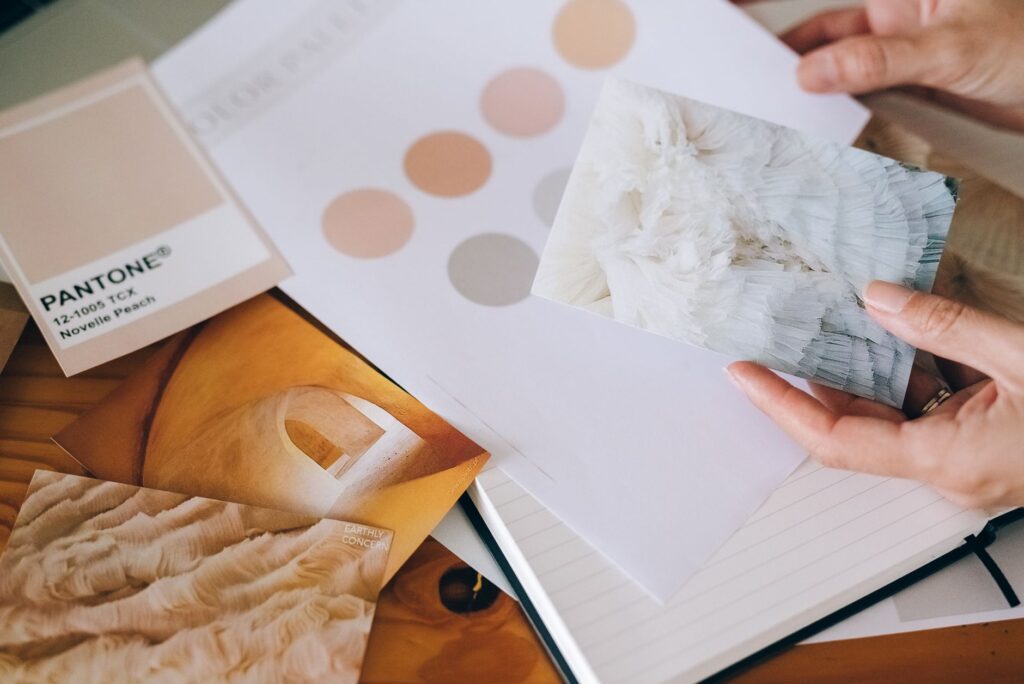
This is where most people get stuck, so it's worth naming. Your inspiration board and your actual life are often two different people. You might pin glamorous evening looks while living a life of school runs, desk work, and weekend errands — and then wonder why your closet of "stylish" pieces never gets worn. The fix isn't to abandon what you're drawn to; it's to translate it into your real days. Love structured, dramatic tailoring but spend your life casual? Bring that sharpness in through a great blazer over jeans, or tailored trousers with sneakers, rather than the full dramatic suit you'll never wear. Your true personal style lives at the overlap of what you're drawn to and what your actual week requires. Dress the life you have, flavoured with the aesthetic you love, and you get a wardrobe that's both "you" and actually worn — which is the entire goal.
Step 5: Build a wardrobe around it
Once you know your direction, edit your closet to match — keep what fits your style, rehome what doesn't, and fill gaps intentionally. A capsule wardrobe built around your "style words" means almost everything works together and feels like you.
Step 6: Add signatures
Personal style is often in the details — a signature accessory, a go-to colour, a way you always cuff your sleeves or knot a scarf. These small, repeatable touches make your look recognisably yours.
Be patient — style evolves
Your style will shift as your life and tastes change, and that's healthy. The goal isn't a fixed formula forever; it's knowing yourself well enough to dress with confidence today. Keep what works, let go of what doesn't, and enjoy the process.
A note
Some links on our site are affiliate links, meaning we may earn a small commission at no extra cost to you — it never changes what we recommend. There's no "right" personal style — only what makes you feel confident and comfortable.
Frequently asked questions
How do I figure out my personal style? Collect outfit inspiration until patterns emerge, study the outfits you already love and wear, sum up your direction in a few words, and build your wardrobe around it.
What if I like lots of different styles? That's normal — most people blend two or three. Look for the common threads (colours, fits, formality) and let your wardrobe reflect the mix that feels most like you.
How long does it take to find your style? It's ongoing rather than instant, but a focused inspiration-and-audit process can give you real clarity within a few weeks. Your style will keep evolving over time.
Do I need to throw out everything that doesn't fit my style? No — edit gradually. Keep versatile basics, rehome pieces you never wear, and make future purchases intentional. The wardrobe shifts over time.
Why don't I wear the clothes that match my inspiration? Often your inspiration is more aspirational than your daily life. Translate the aesthetic you love into pieces your real week calls for — a sharp blazer over jeans instead of a full suit — so your style is both "you" and actually wearable.
Read next



Related articles
- Effortless Style Over 40 (Modern, Not Frumpy)
- How to Style a Slip Dress (Day to Night)
- How to Style a Turtleneck (10 Outfit Ideas)
- How to Style a Trench Coat (Casual to Polished)
- How to Nail Quiet Luxury on a Budget
- How to Find Your Color Season (Color Analysis Guide)
Further reading & trusted sources
What actually makes the difference
Style clicks faster when you study what you actually re-wear, not what you aspire to — your most-worn outfits already reveal your uniform. Pinterest boards lie; your laundry pile doesn’t.
Isla’s whole styling philosophy fits in one line: buy less, choose well, and make a handful of pieces work hard — chasing every trend is expensive and rarely chic. She curates The Style Edit’s outfit ideas and capsule guides around versatile, lasting pieces instead of fast-fashion churn. Because style is personal, she offers options and how-to-wear-it rather than rigid rules. AI tools assist the research and drafting; a human edits every piece for taste and accuracy, and we never fake a review.