 By Isla Moreau, Style Editor
Reviewed & updated September 2026
A kimono-style cardigan is one of the easiest pieces to add instant movement and polish to an outfit, but it's also easy to get wrong — worn without intention, it can read more like a beach cover-up than a styled layer. Here's how to wear one so it looks purposeful in five different settings.
 What you’ll find insideCurated by Isla · 7 min read
- What is a kimono-style top, exactly?
- 1. Kimono over a fitted tank and jeans
- 2. Kimono as a beach or resort cover-up
- 3. Kimono layered over a slip dress
- 4. Kimono as a work-appropriate layer
- 5. Kimono over a maxi dress for a boho look
- Common kimono styling mistakes
- The takeaway
- Further reading & trusted sources
What is a kimono-style top, exactly?
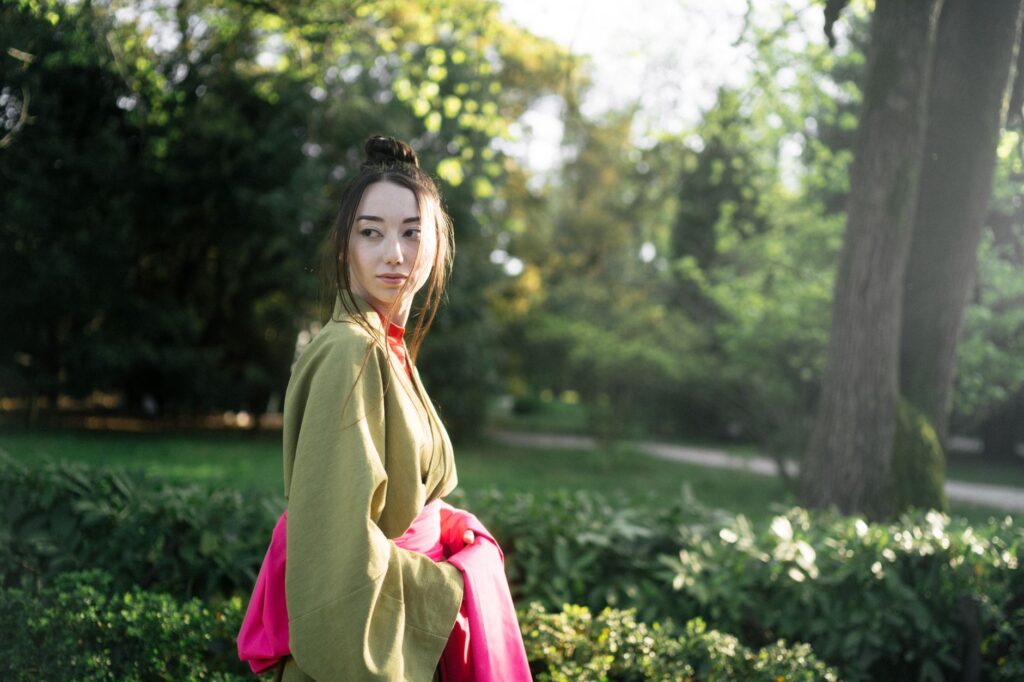
In Western fashion, "kimono" usually refers to a kimono-inspired layering piece — a long, open-front cardigan or robe-style top with wide sleeves, inspired by the traditional Japanese garment but worn as a casual layer rather than a formal robe. They come in lightweight fabrics for warm weather (chiffon, viscose, light cotton) and heavier knits or textured weaves for cooler months. The defining features are the open front (rarely closed with a tie the way an authentic kimono is), dropped shoulders, and wide sleeves that create movement as you walk.
| # | Highlight | Summary |
|---|---|---|
| 1 | Kimono over a fitted tank and jeans | This is the easiest, most reliable way to wear one. |
| 2 | Kimono as a beach or resort cover-up | This is the kimono’s most natural habitat, and it’s worth doing properly rather than throwing any sheer top over a swimsuit. |
| 3 | Kimono layered over a slip dress | For an evening or date-night look, a structured, slightly heavier kimono over a slip dress adds texture without covering up the dr |
| 4 | Kimono as a work-appropriate layer | A structured kimono in a solid, neutral color (camel, black, navy) worn over a fitted blouse and tailored trousers can work as an |
| 5 | Kimono over a maxi dress for a boho look | Two flowy pieces together sounds risky, but it works when there’s contrast in pattern or texture — a solid maxi dress under a prin |
1. Kimono over a fitted tank and jeans
This is the easiest, most reliable way to wear one. A fitted tank or bodysuit underneath keeps the silhouette from looking shapeless, since the kimono itself is doing all the volume work. Pair with straight-leg or slim jeans — a wide-leg jean under an already-voluminous kimono can tip the outfit into looking oversized rather than intentional. Finish with simple sandals or sneakers for a easy daytime look.
2. Kimono as a beach or resort cover-up
This is the kimono's most natural habitat, and it's worth doing properly rather than throwing any sheer top over a swimsuit. A lightweight, printed kimono over a solid-color swimsuit lets the print be the statement piece. Tie it loosely at the waist if it has a self-tie, or leave it open and let the fabric move — either works, it's a matter of how covered you want to feel. Add flat sandals and oversized sunglasses to complete the look.

3. Kimono layered over a slip dress
For an evening or date-night look, a structured, slightly heavier kimono over a slip dress adds texture without covering up the dress entirely. Choose a kimono in a contrasting or complementary color to the dress rather than matching exactly — a black slip dress with a jewel-toned or metallic kimono reads as intentional layering, not as if you couldn't decide what to wear. Heeled sandals or ankle boots and minimal jewelry keep the focus on the silhouette.
4. Kimono as a work-appropriate layer
A structured kimono in a solid, neutral color (camel, black, navy) worn over a fitted blouse and tailored trousers can work as an alternative to a blazer in offices with a more relaxed dress code. The key is choosing a shorter, less flowy kimono style — knee-length and heavily draped versions read more casual, while a hip-length, structured one in a matte fabric reads more polished. Keep the rest of the outfit tailored to balance the kimono's looser shape.
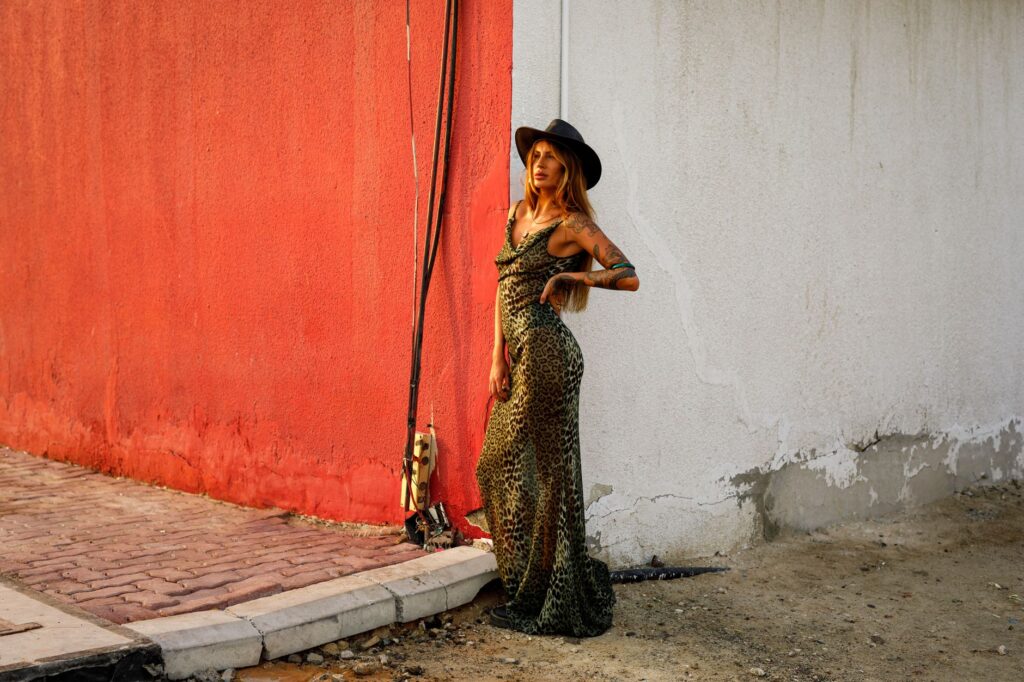
5. Kimono over a maxi dress for a boho look
Two flowy pieces together sounds risky, but it works when there's contrast in pattern or texture — a solid maxi dress under a printed kimono, or vice versa. This combination leans naturally boho, so it pairs well with layered jewelry, a wide-brim hat, and flat sandals or ankle boots. Cinch the kimono at the waist with a thin belt if you want more definition, or leave it open for a fuller, more relaxed silhouette.
Common kimono styling mistakes
Wearing it with other loose pieces underneath. A kimono is already voluminous — pairing it with wide-leg pants or an oversized top underneath creates a shapeless silhouette. Anchor it with at least one fitted piece.
Choosing the wrong length for your height. A kimono that hits mid-calf can overwhelm a petite frame. If you're shorter, look for versions that end around the hip or upper thigh instead.
Ignoring fabric weight for the season. A heavy knit kimono in summer heat, or a sheer chiffon one as your only layer in winter, both miss the point of a transitional piece — match the fabric to the actual weather.
Never belting it. If the kimono feels shapeless in photos, a thin belt at the natural waist instantly adds structure without losing the flowy sleeves and open front that make the piece work.
The takeaway
A kimono works best as a deliberate layering piece, not an afterthought thrown over anything — pair its volume with at least one fitted element, match the fabric weight to the season, and don't be afraid to belt it when you want more shape. Once you find the right base pieces, it's one of the fastest ways to add movement and personality to an outfit.
Frequently asked questions
Can you wear a kimono in winter?
Yes, if you choose a heavier knit or textured kimono rather than sheer chiffon, and layer it over a sweater instead of a tank. It works well as a transitional outer layer on cooler-but-not-cold days.
What do you wear under a kimono?
A fitted tank, bodysuit, or slip dress works best, since it balances the kimono's loose, open shape. Avoid pairing it with other oversized pieces, which can make the whole outfit look shapeless.
Are kimonos still in style?
Kimono-style cardigans and cover-ups remain a popular transitional and resort-wear layer, especially in lightweight prints for spring and summer. Structured, solid-color versions have also found a place as an alternative to blazers in more casual work settings.
How do you keep a kimono from looking like a bathrobe?
Choose a structured fabric over a super-soft, robe-like knit, pair it with fitted pieces underneath, and consider belting it at the waist. A kimono in a crisp or textured fabric reads very differently from one in plush, robe-like material.
Read next
Further reading & trusted sources
Where outfits usually go wrong
Fabric weight is the detail that most often gets missed when buying a kimono online, since a sheer chiffon and a heavier viscose can look nearly identical in a flat product photo but drape completely differently once worn — the sheer version needs a fitted base underneath to avoid looking unfinished, while the heavier one can stand on its own as a structured layer. A kimono paired with other loose pieces underneath is the single most common styling mistake, since the piece is already contributing volume and needs at least one fitted element in the outfit to keep the silhouette from reading as shapeless.
Isla’s whole styling philosophy fits in one line: buy less, choose well, and make a handful of pieces work hard — chasing every trend is expensive and rarely chic. She curates The Style Edit’s outfit ideas and capsule guides around versatile, lasting pieces instead of fast-fashion churn. Because style is personal, she offers options and how-to-wear-it rather than rigid rules. AI tools assist the research and drafting; a human edits every piece for taste and accuracy, and we never fake a review.