 By Isla Moreau, Style Editor
Reviewed & updated August 2026
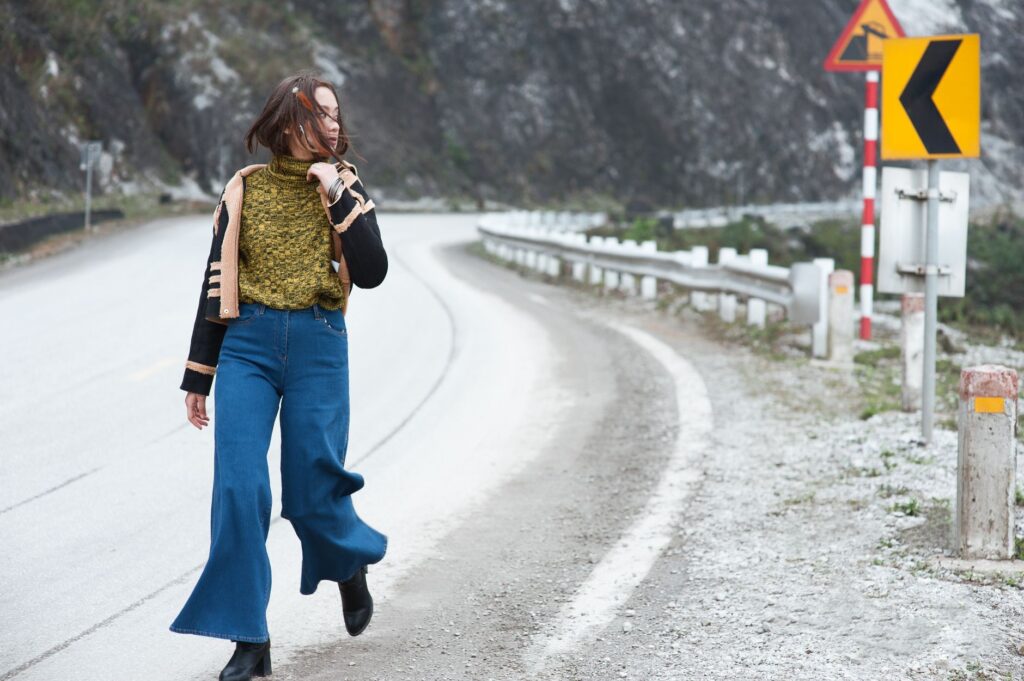
Flare jeans have swung back into rotation, and this time they come with a lot more nuance than the bell-bottoms of decades past. The right proportions and shoe choice make all the difference between a look that feels dated and one that feels current.
 On this pageCurated by Isla · 7 min read
- Why flare jeans work when the proportions are right
- 1. Fitted top + heels for an elongated line
- 2. Cropped top or jacket for daytime balance
- 3. Tuck a blouse for a polished, work-appropriate look
- 4. Bodysuit or fitted knit for a night-out silhouette
- 5. Oversized blazer, but only with the right underlayer
- Which shoes actually work with flares
- Common mistakes to avoid
- Finding the right rise and length for your body
- The takeaway
- Further reading & trusted sources
Why flare jeans work when the proportions are right
The whole appeal of a flare leg is the visual trick it plays — a fitted thigh and knee that gradually widens out toward the hem creates a longer, leaner silhouette than a straight or skinny leg can. The catch is that this only works when the rest of the outfit respects those proportions. A baggy top over flares reads sloppy; a fitted or cropped top over flares reads intentional. That single rule solves most flare-jean styling questions before they even come up.
| # | Highlight | Summary |
|---|---|---|
| 1 | Fitted top + heels for an elongated line | The most classic flare-jean formula: a fitted or tucked-in top on top, a mid-to-high-rise flare on the bottom, and a heel (block h |
| 2 | Cropped top or jacket for daytime balance | A cropped jacket, cardigan, or fitted tee that hits at or just above the waistband keeps the outfit from feeling top-heavy. |
| 3 | Tuck a blouse for a polished, work-appropriate look | A tucked blouse (either fully tucked or a French tuck) with dark-wash, higher-rise flares reads polished enough for a business-cas |
| 4 | Bodysuit or fitted knit for a night-out silhouette | For evening, a fitted bodysuit or a slim, ribbed knit tucked into the jeans creates the cleanest possible line for the flare to do |
| 5 | Oversized blazer, but only with the right underlayer | An oversized blazer can absolutely work over flares, but only if what’s underneath is fitted — a slim tank, turtleneck, or bodysui |
1. Fitted top + heels for an elongated line
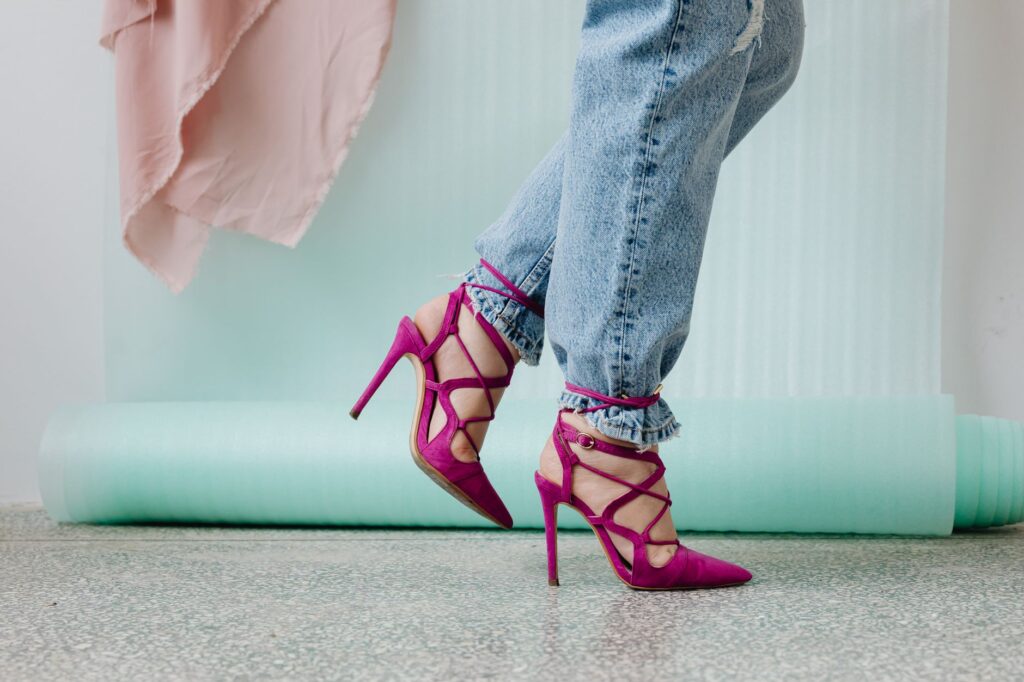
The most classic flare-jean formula: a fitted or tucked-in top on top, a mid-to-high-rise flare on the bottom, and a heel (block heel, kitten heel, or pointed pump) that peeks out just slightly under the hem. This combination maximizes the leg-lengthening effect flares are known for and works equally well for a dinner out or a dressed-up work day.
2. Cropped top or jacket for daytime balance
A cropped jacket, cardigan, or fitted tee that hits at or just above the waistband keeps the outfit from feeling top-heavy. This is the easiest way to wear flares casually — pair with sneakers or flat sandals for a daytime look that still has intentional shape without requiring heels.

3. Tuck a blouse for a polished, work-appropriate look
A tucked blouse (either fully tucked or a French tuck) with dark-wash, higher-rise flares reads polished enough for a business-casual office. Add a blazer over the top and you have a look that's considerably more current than the standard straight-leg trouser most offices default to. Stick with a subtle heel or loafer to keep it grounded.
4. Bodysuit or fitted knit for a night-out silhouette
For evening, a fitted bodysuit or a slim, ribbed knit tucked into the jeans creates the cleanest possible line for the flare to do its job. Add statement jewelry, a heeled boot, and you have an outfit with real shape without needing to change out of denim entirely.
5. Oversized blazer, but only with the right underlayer
An oversized blazer can absolutely work over flares, but only if what's underneath is fitted — a slim tank, turtleneck, or bodysuit. The blazer provides volume on top while the fitted underlayer keeps the silhouette from disappearing entirely, and the flare leg balances the oversized shoulders of the blazer. This is a slightly more advanced combination, so if you're new to flares, start with looks 1-4 first.
Which shoes actually work with flares
| Shoe type | Works with flares? | Notes |
|---|---|---|
| Block heel or kitten heel | Yes | Classic pairing, easy to walk in |
| Ankle boots | Yes, with cropped flares | Look for a flare that hits right at or just above the ankle |
| Platform sneakers | Yes, casually | Keeps a low, grounded look for daytime |
| Flat ballet flats | Sometimes | Works best with a shorter, cropped flare so fabric doesn't drag |
| Chunky combat boots | Rarely | Tends to fight the flare's leg-lengthening effect visually |
Common mistakes to avoid
The most frequent mistake is pairing flares with an equally loose, boxy top — the outfit loses its shape entirely and just reads as baggy. The second is choosing a flare that's too long for your shoe choice, which causes fabric to bunch and drag instead of skimming the floor cleanly; hemming is worth the small investment if a pair runs long. The third is going too casual on top and bottom simultaneously (baggy tee plus flat sandals), which removes the structured contrast that makes the silhouette work in the first place.
Finding the right rise and length for your body
Higher-rise flares tend to elongate the leg most effectively since the flare starts closer to the natural waist, giving the eye more length to work with before the leg widens. If you're petite, look for a flare that starts flaring closer to the knee rather than the hip, since a wider flare zone can visually shorten a smaller frame. Length matters just as much as rise — flares are meant to graze the top of the shoe, not pool on the floor or hit above the ankle (which changes the proportions considerably).
The takeaway
Flare jeans reward a bit of styling intention: keep the top fitted or cropped, choose shoes that either peek out or complement the flare, and get the length right for your shoe choice. Once those three things are dialed in, flares are one of the more flattering denim silhouettes available, not the throwback trend they're sometimes mistaken for.
Frequently asked questions
Can flare jeans be worn casually, or are they mainly for dressed-up looks?
They work for both. A cropped top with sneakers keeps them casual, while a tucked blouse or fitted bodysuit with heels dresses them up — the styling above the waist is what shifts the formality, not the jeans themselves.
What tops should I avoid with flare jeans?
Very loose, boxy, or oversized tops that fall past the hip tend to hide the waist-to-hip proportion flares are designed to create, which flattens the overall silhouette. Fitted, cropped, or tucked tops work best.
Do flare jeans work for petite frames?
Yes, with the right length and flare placement. Look for a flare that starts closer to the knee rather than the hip, and get the hem tailored to skim the top of your shoe rather than pooling on the floor.
What's the difference between flare and bootcut jeans?
Bootcut jeans have a subtle, narrow flare starting near the ankle, while flare jeans have a more dramatic, gradual widening that typically starts around the knee. Flares create a more pronounced silhouette; bootcut is the more understated version.
Read next
Further reading & trusted sources
The trick stylists rely on
The proportion rule that actually decides whether flares work isn’t the flare width, it’s what’s happening above the waist — a fitted or cropped top reads intentional while an equally loose top on top of loose flares erases the entire leg-lengthening effect the silhouette is built around. Length matters just as much as fit: flares are meant to skim the top of the shoe, and a pair that’s even an inch too long will drag, bunch at the heel, and fray far faster than getting the hem tailored would have cost.
Isla’s whole styling philosophy fits in one line: buy less, choose well, and make a handful of pieces work hard — chasing every trend is expensive and rarely chic. She curates The Style Edit’s outfit ideas and capsule guides around versatile, lasting pieces instead of fast-fashion churn. Because style is personal, she offers options and how-to-wear-it rather than rigid rules. AI tools assist the research and drafting; a human edits every piece for taste and accuracy, and we never fake a review.