 By Isla Moreau, Style Editor
Reviewed & updated September 2026
Color analysis has had a significant resurgence in recent years, and for good reason: when you wear colors that harmonize with your natural coloring, your complexion looks clearer, your eyes appear brighter, and the outfit does the work instead of fighting it. Understanding your color season is one of the most practical tools in getting dressed. Here's how to actually figure it out.
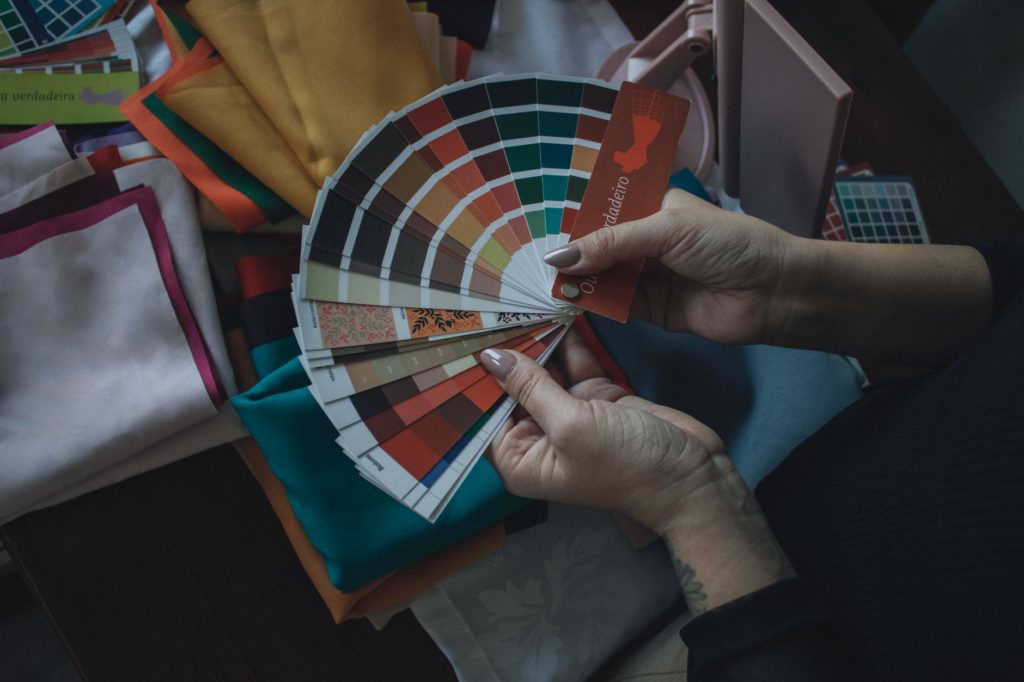 What this guide coversCurated by Isla · 8 min read
- What Is Seasonal Color Analysis?
- Step 1: Identify Your Undertone (Warm vs. Cool)
- Step 2: Identify Your Depth (Light vs. Deep)
- The Four Seasons: Which One Are You?
- How to Test Your Season Before Committing
- You Don’t Have to Follow Rules Rigidly
- The Takeaway
- Related articles
- Further reading & trusted sources
What Is Seasonal Color Analysis?
Seasonal color analysis is a system (originally developed by color theorist Johannes Itten and popularized by Carole Jackson's 1980 book Color Me Beautiful) that groups people into four seasonal color types — Spring, Summer, Autumn, and Winter — based on the undertone and depth of their skin, hair, and eyes.
Modern versions expand this to 12 or even 16 sub-seasons, but the original four-season framework is practical, accurate, and accessible without a paid consultation. Understanding which "season" you are tells you which color palette will harmonize with your natural coloring rather than work against it.
The system works because everyone's natural coloring has an underlying temperature (warm or cool) and a depth (light or deep). When your clothing repeats those qualities, your skin reads as clear and vibrant. When you wear colors with opposite qualities, your face can look sallow, washed out, or older.
Step 1: Identify Your Undertone (Warm vs. Cool)
Undertone is the most important factor. There are several ways to determine it:
The vein test: Look at the inside of your wrist in natural daylight. Green or greenish-yellow veins suggest warm undertones; blue or purple veins suggest cool undertones; a mix of both suggests neutral.
The silver vs. gold test: Hold a piece of silver fabric near your face in natural light, then a piece of gold fabric. Which one makes your skin look cleaner, healthier, or more awake? Cool undertones flatter silver; warm undertones flatter gold. Neutral undertones look good with both.
The white vs. cream test: Which looks better near your face — bright white or creamy off-white? Bright white suits cool undertones; cream suits warm undertones.
The sun test: How does your skin respond to sun? Warm-toned skin tends to tan easily and rarely burns severely. Cool-toned skin often burns first, then tans or doesn't tan at all.
Step 2: Identify Your Depth (Light vs. Deep)
Depth refers to how much contrast there is in your natural coloring — hair, skin, and eyes considered together.
Light: Fair or light skin, light hair (blonde, light brown, light auburn), light eyes (blue, light green, light grey). Overall coloring is soft and low-contrast.
Deep: Dark skin, dark hair (dark brown, black), dark eyes (dark brown, black). High natural contrast.
Medium: Falls between the two; this is the trickiest category because many people land here and need to look at undertone very carefully.
The Four Seasons: Which One Are You?
Once you have undertone + depth, your season becomes clear:
Spring — Warm + Light/Clear
Spring coloring is warm-toned with relatively light, often golden or peachy skin, golden or strawberry blonde to light auburn hair, and eyes that are blue-green, hazel, or warm brown. The Spring palette is warm, bright, and clear — think coral, peach, warm yellow, apple green, turquoise, ivory, camel, and warm aqua. Avoid cool, icy tones and dark, heavy colors.
Celebrity examples: Blake Lively, Nicole Kidman (her natural coloring), Taylor Swift (warm era).
Summer — Cool + Light/Muted
Summer coloring is cool-toned but light overall — often fair-to-medium skin with pink or rosy undertones, ash blonde or light ash brown hair, and soft eyes (grey, cool blue, soft hazel). The Summer palette is soft, muted, and cool — dusty rose, lavender, soft teal, powder blue, mauve, soft plum, grey, sage green. Avoid warm, golden colors and very bright or dark shades.
Celebrity examples: Gwyneth Paltrow, Reese Witherspoon, Kate Middleton.
Autumn — Warm + Deep/Muted
Autumn coloring is warm-toned with depth — golden, olive, or warm medium-to-deep skin, warm brown, auburn, copper, or dark golden hair, and warm brown, hazel, or golden-green eyes. The Autumn palette is warm, earthy, and muted — terracotta, rust, olive, burnt orange, warm mustard, chocolate brown, teal, deep warm teal. Avoid icy, cool pastels and bright neon shades.
Celebrity examples: Julia Roberts, Jennifer Lopez, Beyoncé.
Winter — Cool + Deep/Clear
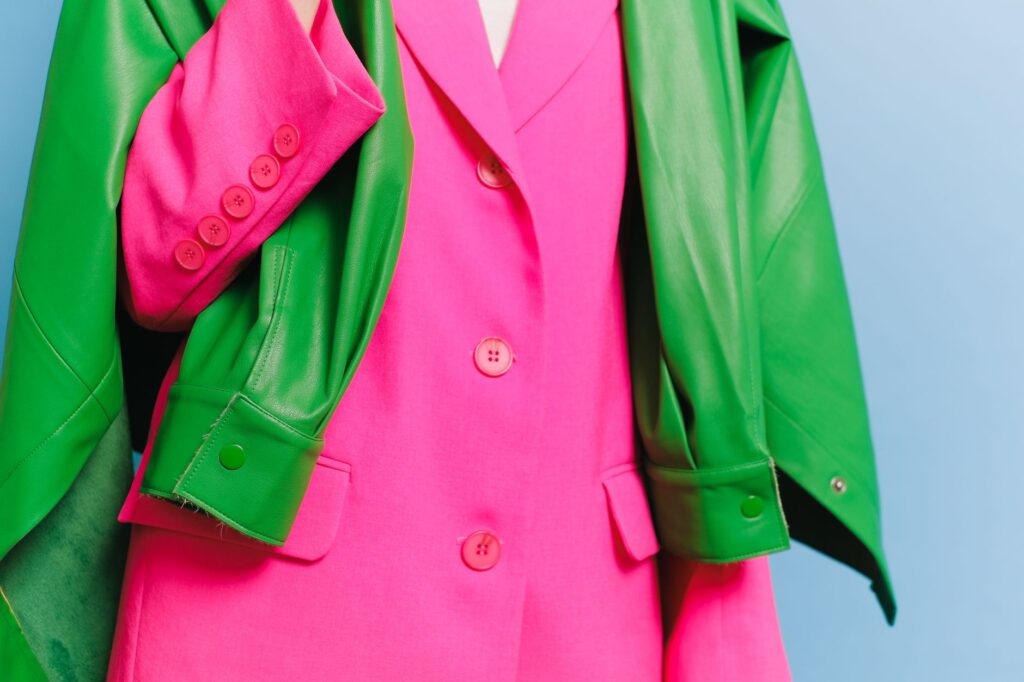
Winter coloring is cool-toned with high contrast — fair or deep skin (with pink, olive, or neutral undertones), dark or black hair, and dark or clear eyes (dark brown, bright blue, cool green, grey). The Winter palette is cool, clear, and high-contrast — true white, black, jewel tones (royal blue, emerald, hot pink, deep burgundy, icy lavender), charcoal grey. Avoid muted, warm, or earthy tones.
Celebrity examples: Lupita Nyong'o, Demi Moore, Lucy Liu.
How to Test Your Season Before Committing
Before overhauling your wardrobe, do a draping test:
- Gather fabric swatches or scarves in different colors from the four palettes (thrift stores are ideal for this)
- Stand in front of a mirror in bright, natural daylight (never under yellow indoor light — it distorts everything)
- Remove makeup if possible; pull your hair back
- Hold each color up near your face and look at your complexion, not the fabric
- Notice: does your skin look clearer or more uneven? Do circles under your eyes disappear or become more prominent? Does your complexion look alive or dull?
The "wrong" color will often make the skin around your nose and mouth look shadowy or reddish. The right color seems to lift the face.
You Don't Have to Follow Rules Rigidly
Color analysis is a tool, not a law. A few practical notes:
- Colors worn far from the face (trousers, shoes, bags) have much less impact on how your complexion reads — you have more freedom there
- Your "season" doesn't mean you can never wear other colors; it means your best, most effortless looks will come from your palette
- Patterns are generally fine as long as the dominant color harmonizes with your undertone
- Neutral seasons (neutral undertone, medium depth) genuinely have flexibility in both warm and cool palettes — don't force yourself into a box if it doesn't fit cleanly
The Takeaway
Finding your color season comes down to two variables: whether your undertone is warm or cool, and whether your overall coloring is light or deep. Once you've identified those two things, your season (Spring, Summer, Autumn, or Winter) points you toward a palette that makes your natural coloring look its best. You don't need a professional consultation to figure this out — natural light, a few swatches, and honest observation get you there.
Frequently Asked Questions
What if I can't tell if I'm warm or cool?
Neutral undertones are real and common. If the warm/cool tests give you genuinely mixed signals, try the Summer and Spring palettes (both light) or Winter and Autumn (both deep) and see which family's palette looks more naturally harmonious on you. Many analysts describe a "Neutral Spring" or "Neutral Autumn" sub-type specifically for this.
Can your color season change over time?
Your season is based on your natural coloring, which does shift — hair lightens or greens with age, skin can develop more redness or sallowness. Many people who were Spring or Autumn in their 20s drift toward the cooler, lighter palettes of Summer as their hair turns silver or grey. It's worth re-evaluating if you've noticed that the colors that used to work aren't working the same way.
I'm deep-toned with warm undertones — why does some Winter palette advice say to try dark jewel tones on me?
Winter is cool + deep, and Autumn is warm + deep. If you're deep with warm undertones, you're Autumn — the earthy, muted rich palette (terracotta, olive, warm chocolate, deep teal) will serve you better than the cool, clear jewel tones of Winter. Some confusion arises because both seasons share depth, but the undertone distinction is critical.
Do men benefit from color analysis too?
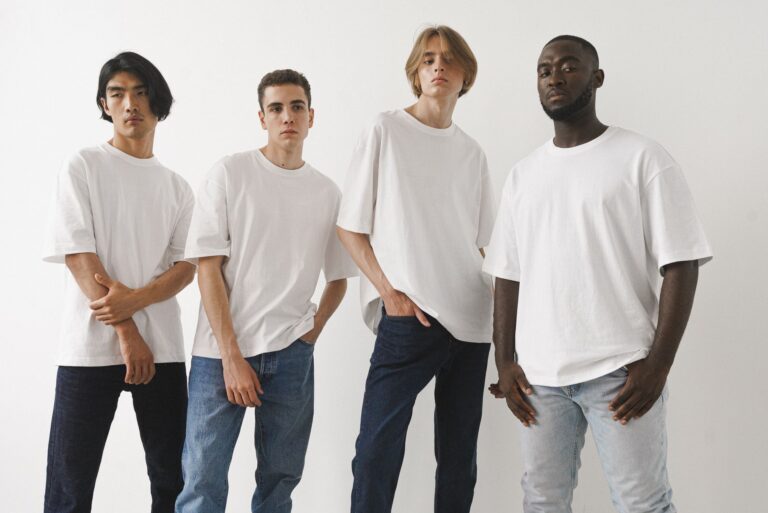
Yes — the same undertone and depth logic applies. A warm-toned man looks best in camel, olive, warm grey, and earthy tones; a cool-toned man looks best in navy, charcoal, soft grey, and cooler neutrals. The seasonal label matters less; the underlying warm/cool principle is the same.
Read next



Related articles
- How to Shop Your Closet (and Rediscover Outfits You Forgot You Had)
- How to Layer Clothes Like a Pro
- How to Wear All Black (and Not Look Boring)
- How to Style a Midi Skirt: Outfit Ideas for Every Season
- How to Style a Denim Jacket: 10 Outfit Ideas
- Style Tips for Petite Women (Look Taller, Feel Confident)
Further reading & trusted sources
What actually makes the difference
The vein test and the silver/gold test can give conflicting results because they measure different things — veins show skin undertone, metal preference reflects contrast response. When signals are mixed, the most reliable final test is holding actual fabric swatches near your bare face in natural daylight and watching what happens to the skin around your mouth and nose — the right color makes that area look clean and smooth rather than shadowy.
Isla’s whole styling philosophy fits in one line: buy less, choose well, and make a handful of pieces work hard — chasing every trend is expensive and rarely chic. She curates The Style Edit’s outfit ideas and capsule guides around versatile, lasting pieces instead of fast-fashion churn. Because style is personal, she offers options and how-to-wear-it rather than rigid rules. AI tools assist the research and drafting; a human edits every piece for taste and accuracy, and we never fake a review.